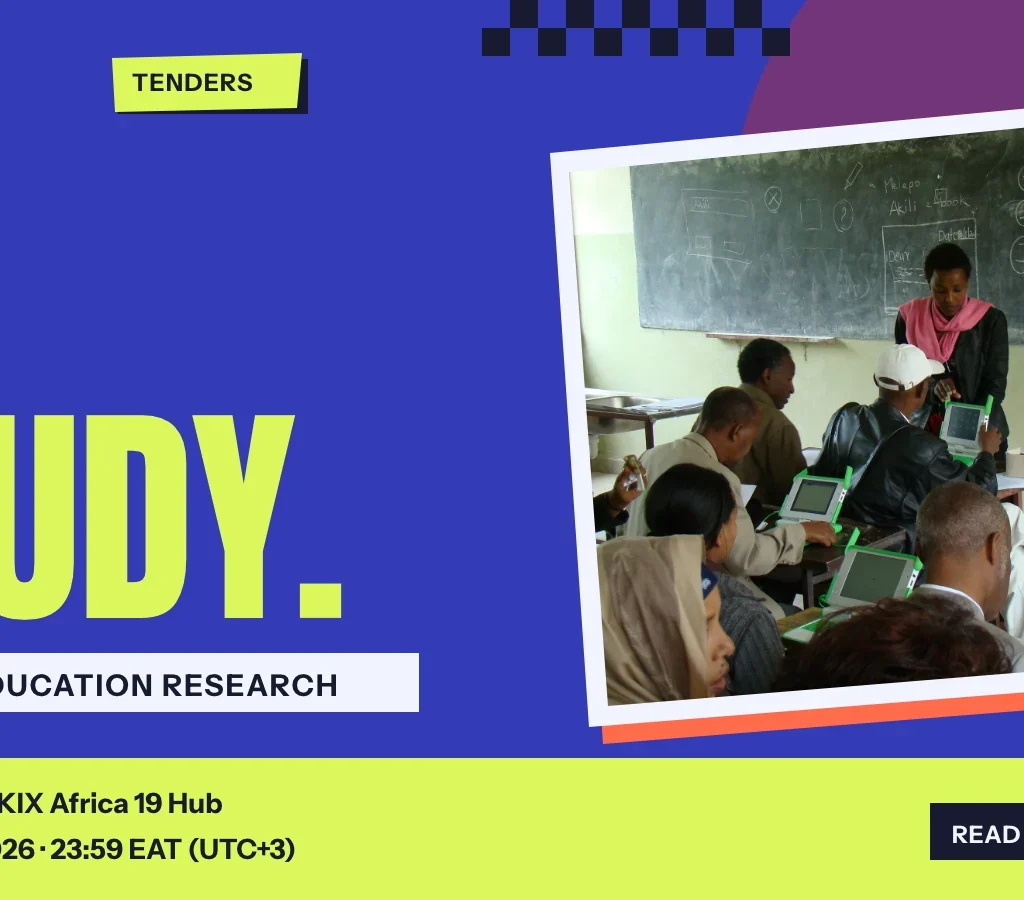
Advertised deadline: 25 November 2026, 23:59 EAT (UTC+3). UNESCO-IICBA has issued a request for proposals for an education-policy contribution study covering the GPE KIX Africa 19 Hub’s work in 2020–2026.
Buyer, reference and Ethiopia connection
The buyer is UNESCO’s International Institute for Capacity Building in Africa, based in Addis Ababa. The RFP uses this assignment title as its reference: Consultancy to Analyse and Document the Contribution of the GPE KIX Africa 19 Hub to Evidence-Informed Education Policy and Practice at country level (2020–2026). Ethiopia is one of five countries designated for in-depth research; the wider study covers eight countries.
Scope and consultant profile
The terms call for document review, stakeholder interviews, outcome harvesting and evidence analysis. The national-consultant profile specifies an advanced relevant degree, at least seven years’ relevant experience, qualitative-research and policy-analysis skills, and strong knowledge of the assigned country’s education system. The assignment is approximately three months, mainly remote with country work as required.
How to submit
Section 16 expressly directs offers to [email protected], with separate technical and financial files. Follow the prescribed email marking, including PROPOSAL FOR SERVICES – DO NOT OPEN, and the assignment reference. [email protected] is for clarification, not bid submission. The RFP’s bidder instructions address legally constituted suppliers, firms and institutions. Applicants must read these alongside the consultant terms and annexes.
Prepare a response that explains the evidence
A useful technical approach would distinguish a programme’s contribution from a claim that it caused every observed change. For example, an interviewee’s recollection can identify a possible policy influence, but a dated policy document, meeting record or training output can help establish what happened and when. Explain how different types of evidence would be checked against one another.
For the Ethiopia component, describe how your team would identify relevant education stakeholders, organise interviews and handle gaps in the documentary record. Choose previous-work examples that demonstrate comparable research tasks. Make each person’s contribution clear rather than relying on an organisation-wide list of projects.
Before sending, check that the technical attachment contains the proposed method and staffing, that the financial attachment is separate, and that the files open correctly. Work backwards from the EAT deadline; do not leave transmission until the final minute. These are preparation suggestions, and the official RFP controls the submission requirements.
For related procurement coverage, see Aemero’s report on the Addis Ababa Climate Action Plan consultancy, which has its own separate scope and deadline. Other notices appear in our Tenders archive.
Archive photograph: One Laptop per Child, Menelik II teacher training, 2008, CC BY 2.0. Cropped and combined with Aemero Media artwork. The photograph illustrates education in Ethiopia; it does not depict this consultancy or KIX participants.