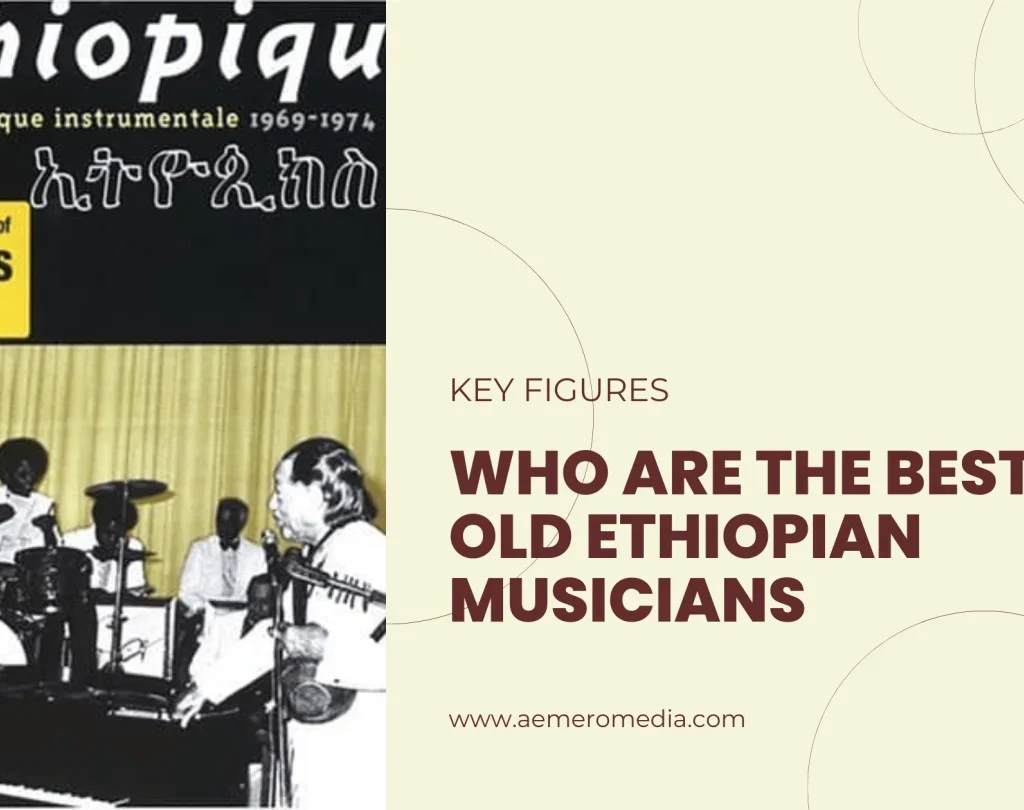
Ethiopian recorded music offers many starting points. Listen for the phrasing of the singers, the roles of instruments such as the krar and saxophone, and the different ways bands build a rhythm around a melody. This selection includes ten artists and recordings to start with.
Three ways into the recordings
1. Alemayehu Eshete
Start with “Addis Abeba Bete”, a song about Addis Ababa with the drive of the city’s electric bands. The Eshete guide traces the Addis swing scene and points to more singles.
2. Mahmoud Ahmed
Try “Erè Mèla Mèla” for Ahmed’s phrasing over an electric band. Notice the amount of space between the singing and the accompaniment.
3. Mulatu Astatke
Begin with “Yèkèrmo Sèw” or the Ethio-jazz volume of Éthiopiques. The blend of Ethiopian melodic material with jazz arrangements gives the instrumentalists room to answer each other.
4. Tilahun Gessesse
Play “Sethed Seketelat” from the Buda Musique edition of Éthiopiques, Vol. 17. Listen to how Gessesse holds a note and then changes its intensity within the same phrase.
5. Aster Aweke
Try “Sebebu” or “Tchewata,” then spend time with Kabu. Our Aster Aweke listening guide covers the early records and her career abroad.
6. Asnaketch Worku
Start with “Jinyew,” the opening track on Asnakech, recorded with Hailu Mergia. Worku’s voice and krar make a useful contrast with the horn-led recordings elsewhere in this list. The release includes Mergia’s notes on the sessions.
7. Getatchew Mekurya
Try “Shellela” from Negus of Ethiopian Sax. Mekurya’s tenor saxophone has a forceful attack, and its short calls can sound like a singer addressing a crowd. Compare it with an Astatke instrumental to hear two different uses of a lead instrument.
8. Ali Birra
Look for “Birra-dha Barihe,” sung in Afaan Oromo. The Oromo Studies Association identifies the song as the source of his stage name. His work is an entry point into Oromo popular music and its place in Ethiopia’s recording history.
9. Emahoy Tsegué-Maryam Guèbrou
Start with “The Homeless Wanderer”, a solo piano piece. Listen for the space she leaves around the melody. The Emahoy Virtual Museum documents the piece’s place in Ethiopian radio history.
10. Hirut Bekele
Try “Almokermun Neber.” The compilation credits list her as Hirut Begele, an alternate spelling you may see in catalogues. Compare how she and Mahmoud Ahmed leave room for the band between sung lines.
Three ways into the recordings
For an electric band, start with Mahmoud Ahmed’s “Erè Mèla Mèla.” Follow how the band fills the space between vocal lines. Then play a Mulatu Astatke instrumental and listen for who carries the melody after the first phrase. A singer-led track and an instrumental can give different roles to the horns and rhythm section.
For a smaller sound, try Asnaketch Worku’s voice and krar, then one of Emahoy’s solo piano recordings. For a third route, follow Aster Aweke’s release history and compare a recording from the early cassette years with a later album. The date of a compilation can differ from the recording dates printed in the notes. Smithsonian Folkways catalogue of recordings from Ethiopia.
Listen to the players behind the singers
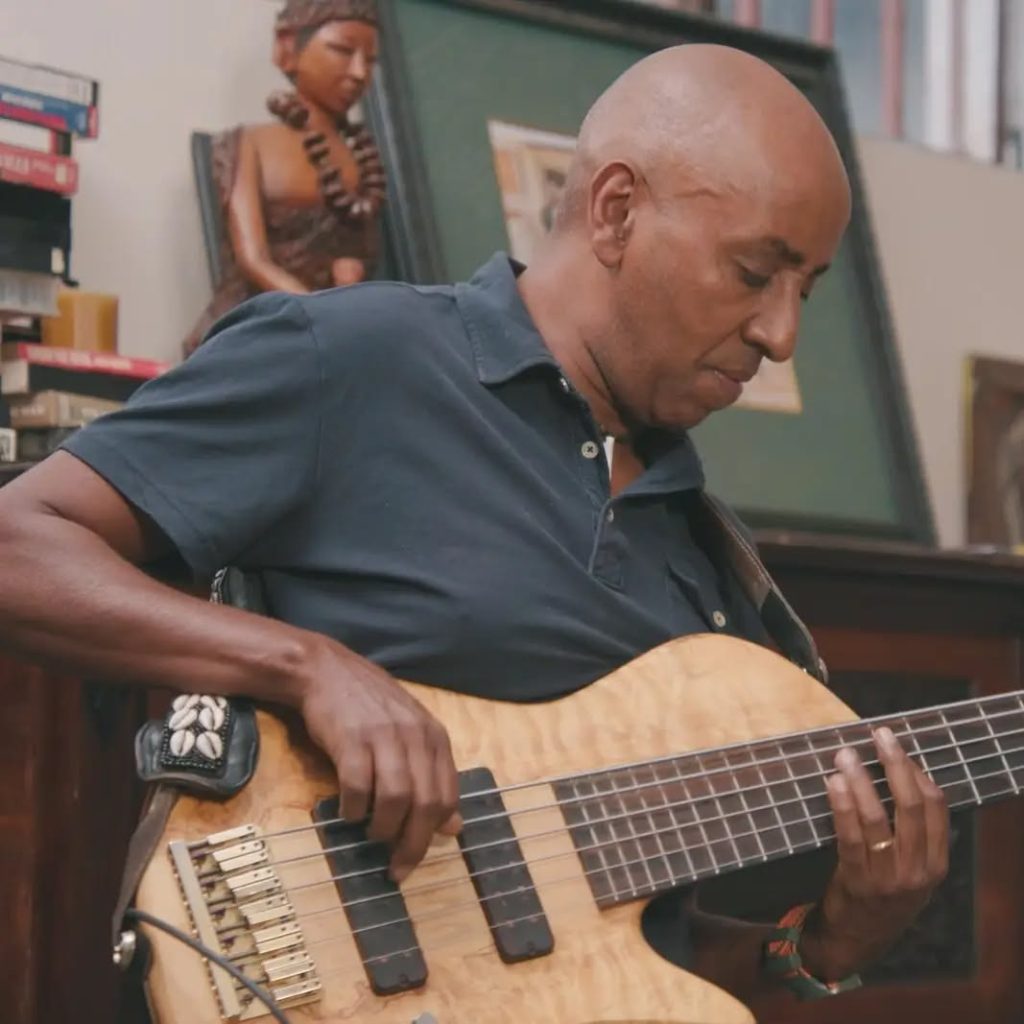
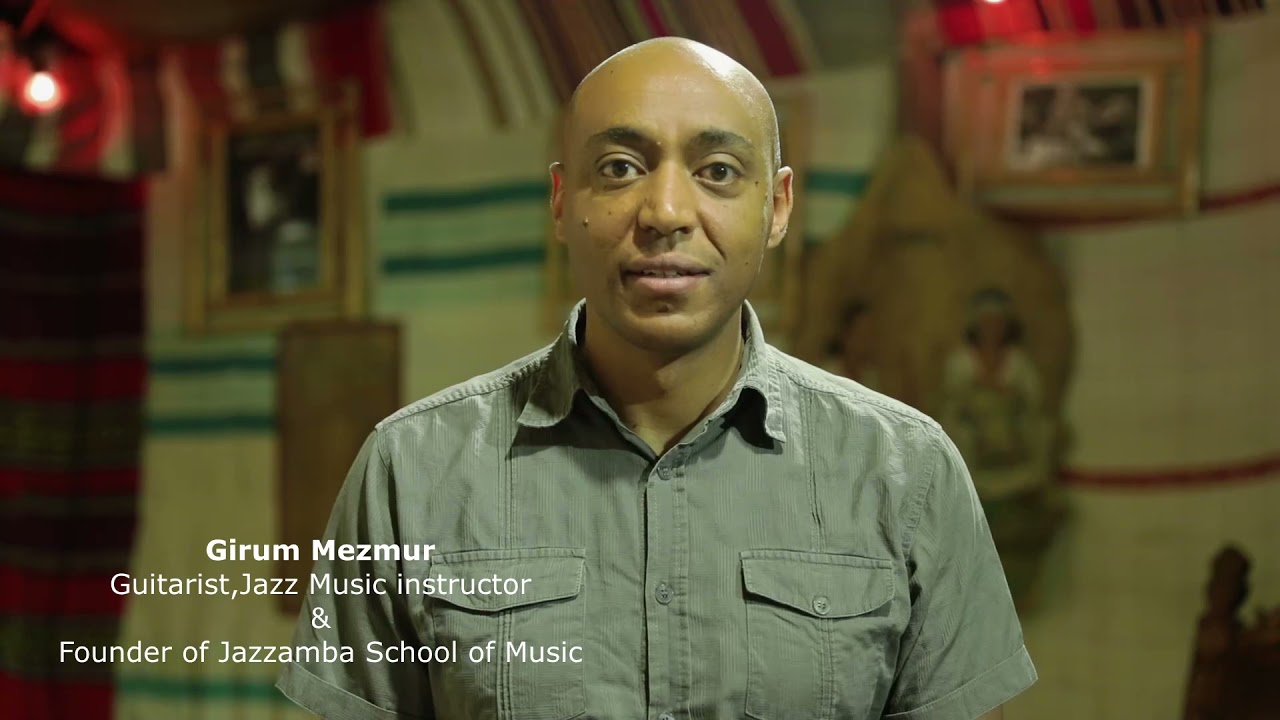
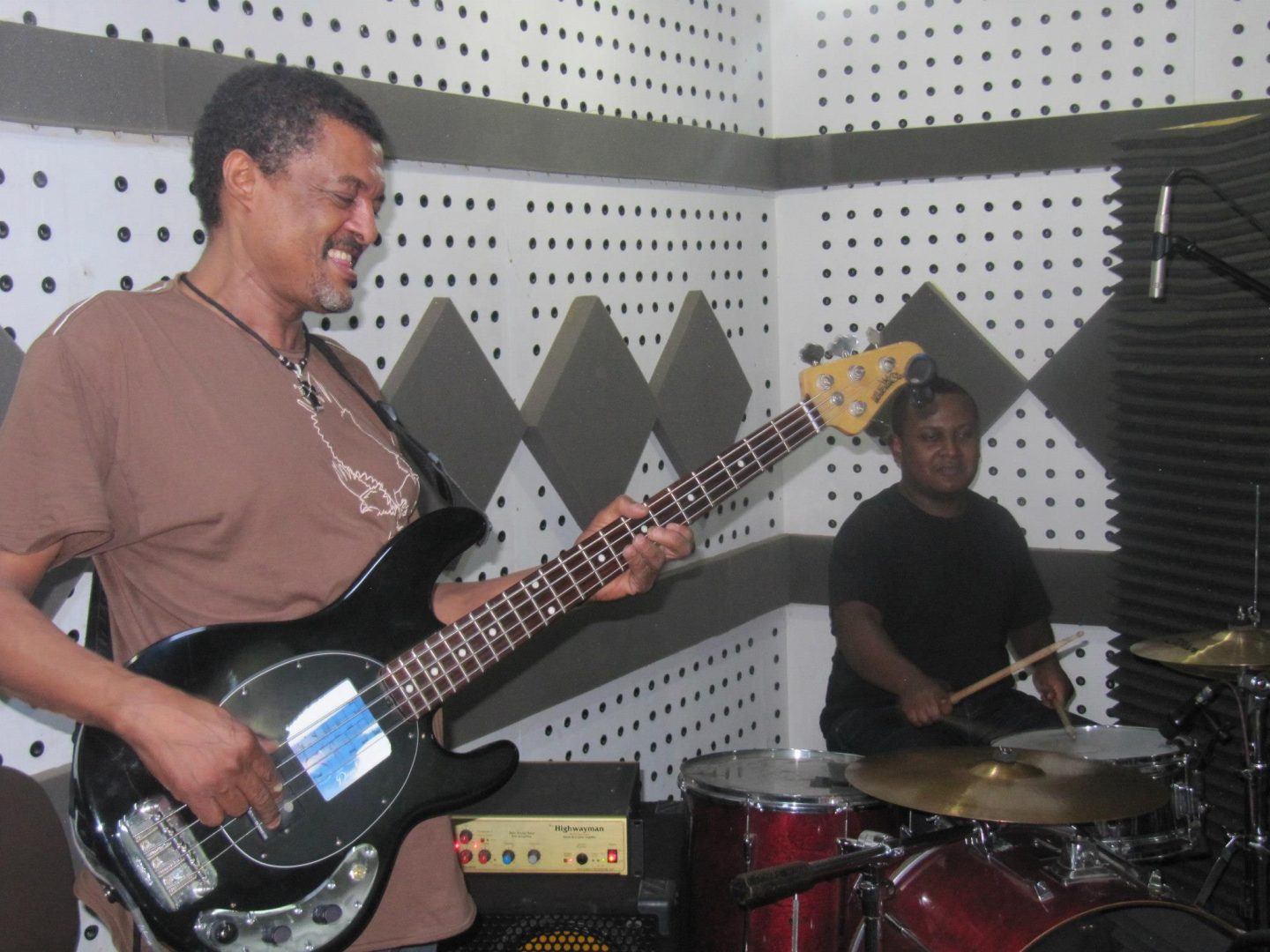
When exploring later recordings, look at the personnel as well as the name on the cover. Henok Temesgen, Girum Mezmur, Fasil Wuhib and Selam Seyoum are instrumentalists worth looking up in recording credits. Smithsonian Folkways’ Ethiopia catalogue offers a route into more recordings, including instrumental and field recordings. Smithsonian Folkways’ Ethiopia catalogue