An Ethiopian menu can put chicken stew, roasted barley and a breakfast pastry on the same page. Start with the names and what arrives at the table. Many stews come with injera. Several dishes have their own breads, grains or ways of eating.
Use the bread and texture to make sense of a menu
Doro wat and key wat

Doro wat is a deeply seasoned chicken stew, often served with a hard-boiled egg. Key wat refers to a red stew seasoned with berbere. You may see the meat specified separately, as in beef key wat. The Food and Agriculture Organization’s teff reference describes the difference between red wat and milder alicha. FAO’s teff reference
Firfir, fitfit and fatira
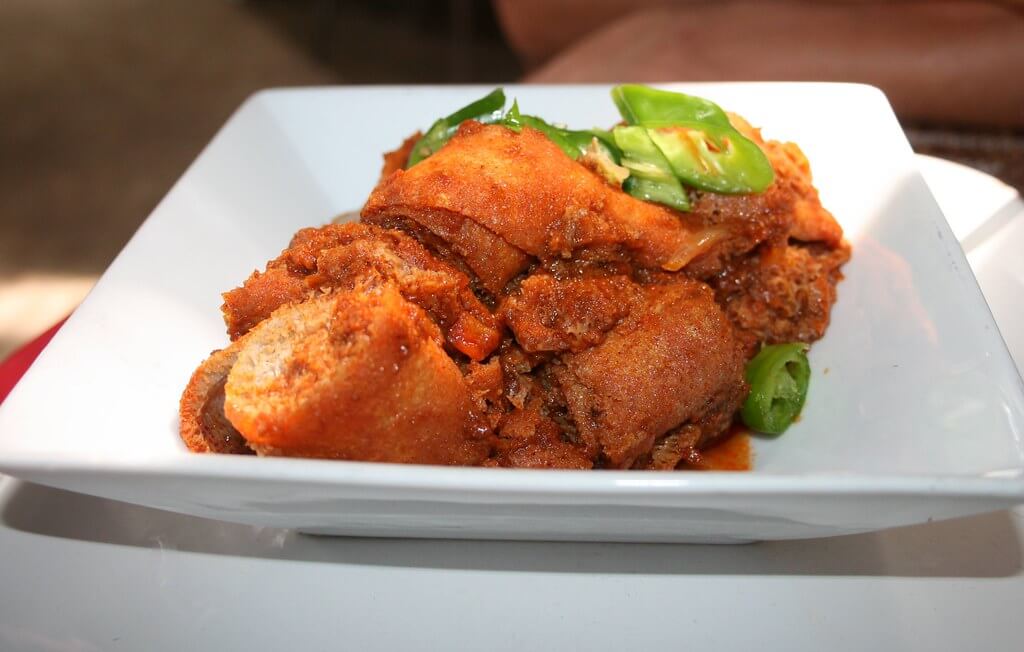
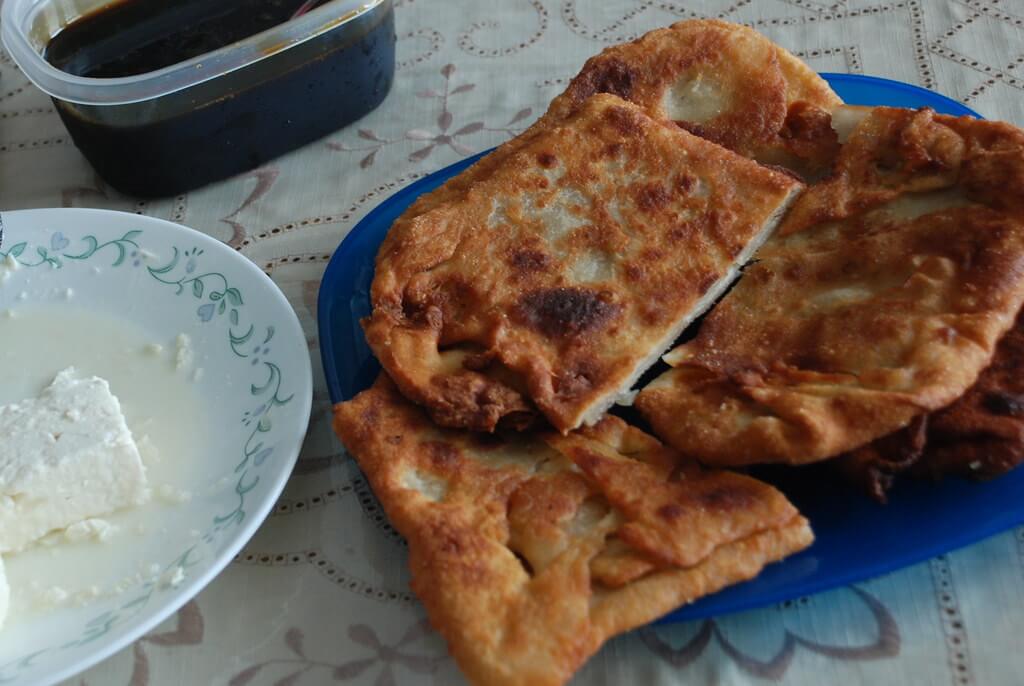
Firfir and fitfit are names used for preparations in which torn injera or another bread is mixed with sauce. The seasoning and temperature can vary. Fatira is a layered breakfast flatbread, often served with egg or honey. Ask how the kitchen prepares it if you have a preference.
Tihlo, barley bites from Tigray

Tihlo is made by shaping roasted barley flour dough into small balls and dipping them into a sauce. Its texture and serving style differ from injera. Researchers documented versions of tihlo in several districts of eastern Tigray. Field study of traditional foods in eastern Tigray
Kitfo and gored gored

Kitfo is finely minced beef seasoned with spiced butter and mitmita. Gored gored uses cubes of beef. Both can be served raw, so ask how the dish is prepared when ordering. Cook minced beef thoroughly if preparing it at home. USDA food safety guidance

Kolo, dabo kolo and beyaynetu

Kolo is a roasted grain snack, sometimes mixed with roasted legumes or nuts. Dabo kolo is made from small pieces of dough that are cooked until crisp. Beyaynetu is a combination platter. A fasting version commonly includes several dishes made with pulses and vegetables. Our guide to Ethiopian fasting dishes explains what to ask for.

Use the bread and texture to make sense of a menu
A saucy wat is usually served with injera for scooping. In a firfir or fitfit, pieces of bread are already mixed into the dish. Fatira is a layered flatbread that can come as a breakfast dish on its own. Tihlo has another texture. Fieldwork in eastern Tigray documents cooks making a dough from prepared barley flour, pinching off portions and serving them with a dip or sauce. Study of traditional foods in eastern Tigray.
For a shared meal, order dishes that use those textures differently. Pair a stew with greens and a mild side, or ask which dishes belong on a separate plate. To understand the bread before you order, compare how injera is cooked with why kocho is served with kitfo.