Think about what you will use after the trip. A bag of coffee you can brew, a scarf you can wear and a basket that fits in your luggage often carry the memory better than a pile of last-minute purchases. Ask the seller where an item was made and how to care for it.
Choose a gift you can use and carry home
Coffee and things to brew it with

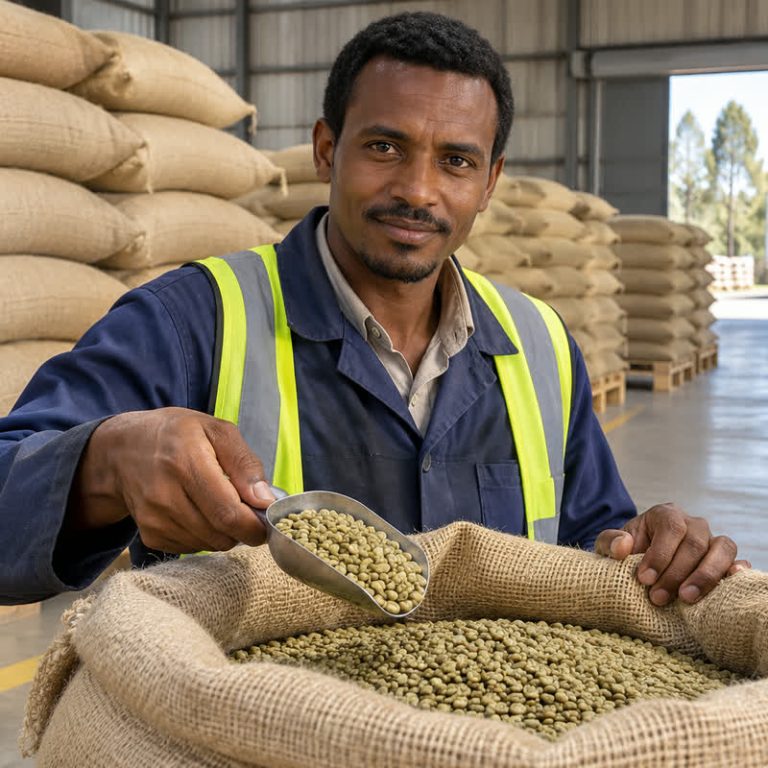
Buy roasted beans in a sealed bag if you want to brew them at home. Ask for the roast date, region and grind if you need it. A jebena, small cups or a woven tray can make a gift for someone who enjoys preparing coffee. Read about Ethiopian coffee growing regions and how the coffee ceremony works before shopping. Ask for fragile items to be wrapped separately.
Spices and pantry gifts

Berbere, mitmita and korerima serve different purposes. Ask what is in the blend and how hot it is. Labeled packages make it easier to check ingredients and to declare food at arrival. Coffee, honey and bottled tej are separate customs and packing questions. Check the destination’s food rules and your airline’s limits for liquids or alcohol before buying.

Woven cotton, clothing and jewelry

Look for woven shawls, scarves and garments such as a habesha kemis. Ask how the fabric was woven, whether it has been washed and how to clean it. Try on a garment before buying or get its measurements in writing.

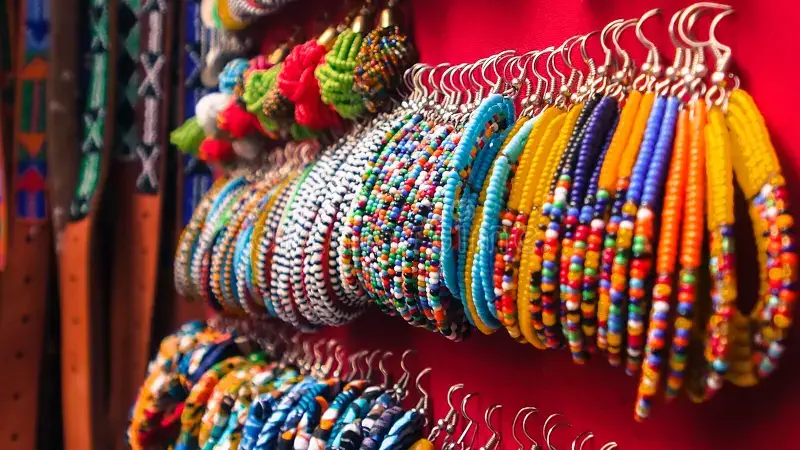
For earrings, beads or a newly made cross, ask what the metal is and whether the seller can identify the maker. A new piece with a receipt is easier to document than an item described as old.

Baskets, leather and art
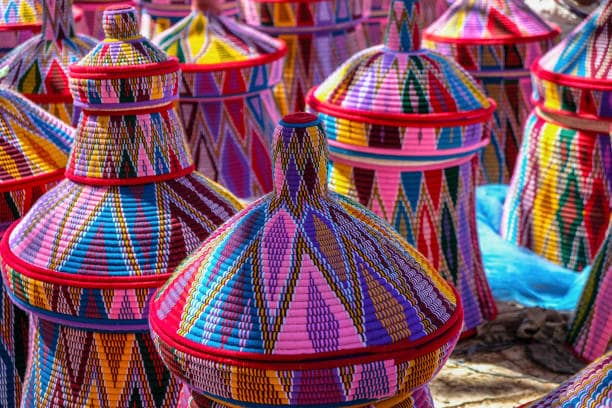
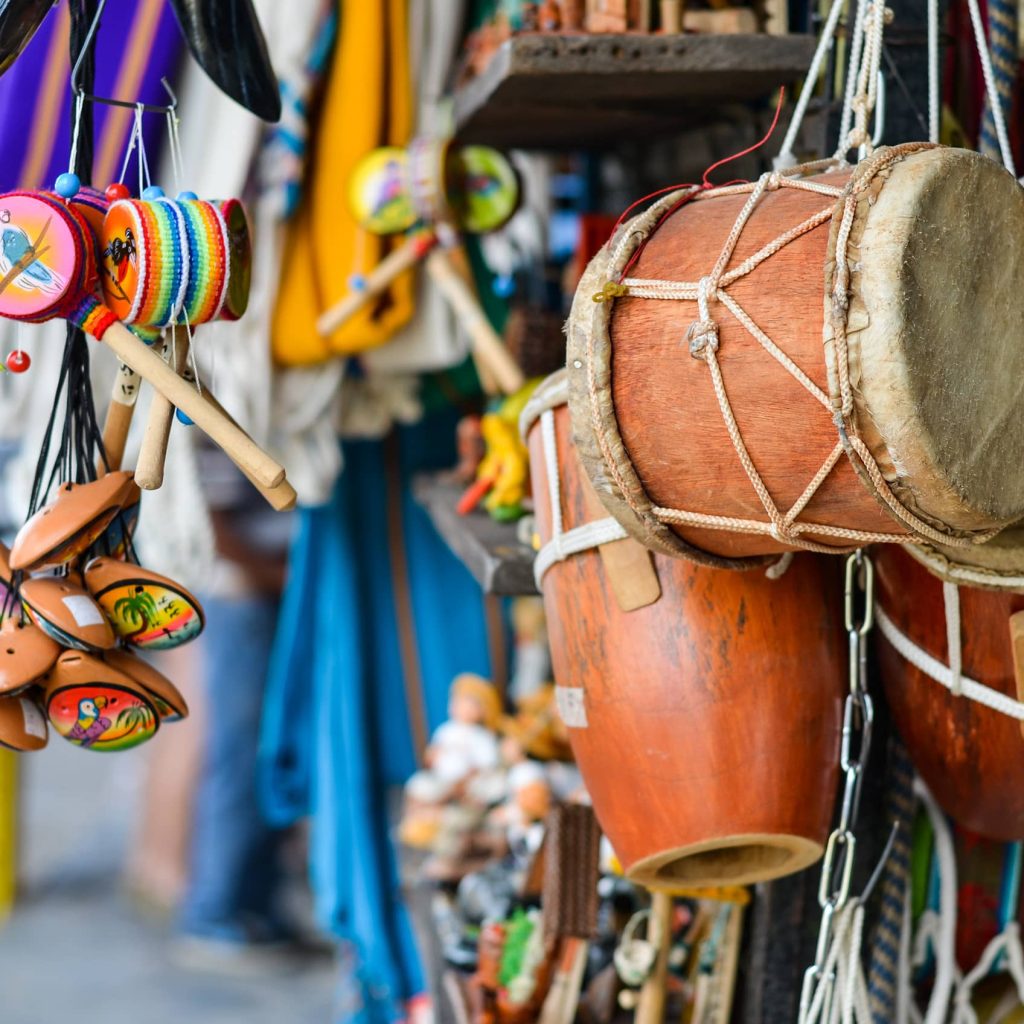
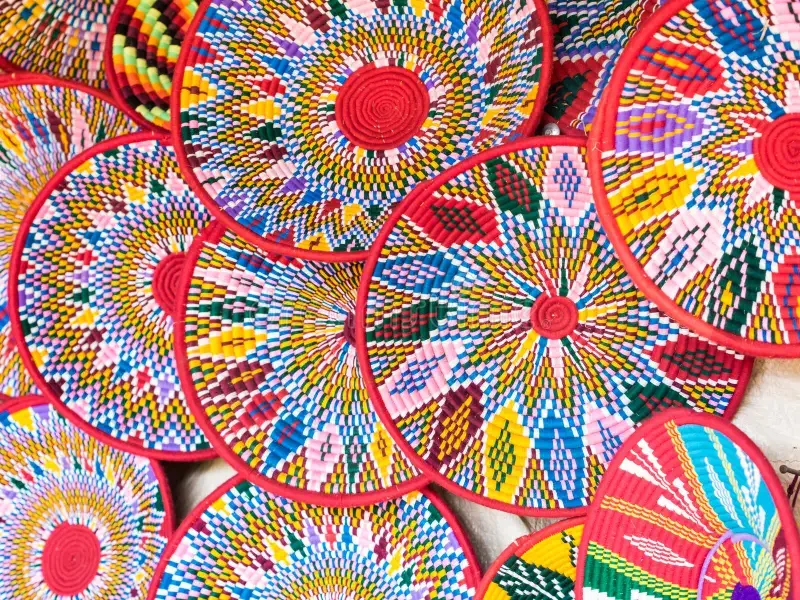
A small basket travels more easily than a full-size mesob. With leather bags, check seams and closures. If you buy a print or painting, ask whether it is an original, a print or a reproduction and get the artist’s name and a receipt. If an instrument interests you, ask the seller to demonstrate it and find out how it will travel.


Where to shop in Addis Ababa
Start around Shiro Meda if you want woven textiles or a garment. The Ministry of Tourism’s Addis guide identifies it as a souvenir and textile shopping area. Mercato is a working market with separate sections, so decide what you are looking for and ask someone local where to start. If you want a maker’s name, a label, measurements or a receipt, allow time to visit a workshop or specialist shop.
Before buying several similar items, compare the material, workmanship and cost of packing. A cup set should have enough padding. A larger basket can be awkward in a suitcase, and rolled artwork needs a tube. Ask for the price before the item is wrapped and keep the receipt with the piece.
Choose a gift you can use and carry home
For coffee, ask how the beans were processed, when they were roasted and whether they are whole or ground. For textiles, ask for the dimensions and cleaning instructions. With baskets or ceramics, check how much space the item will take after wrapping. If you buy artwork, keep a receipt that identifies what it is and who made it. Read Ethiopian coffee labels before choosing a bag.
Check departure and arrival rules for the actual item before paying for food, animal products or anything the seller describes as antique. The rules for a new textile and an old object can differ. Use a written description from the seller when asking the relevant customs or heritage office about it.
Check export and arrival rules before you pay
Avoid buying objects described as antiquities or protected heritage unless you have checked whether they can legally leave Ethiopia. Check requirements for items made from animal products and for other restricted goods. The U.S. International Trade Administration’s Ethiopia travel guide and UK entry and customs information give starting points. Confirm any permit and destination requirements with the relevant authorities.
If you are shopping in the capital, use the Addis Ababa visitor guide to fit a market visit into your day. Keep your receipts and leave room for packing material.