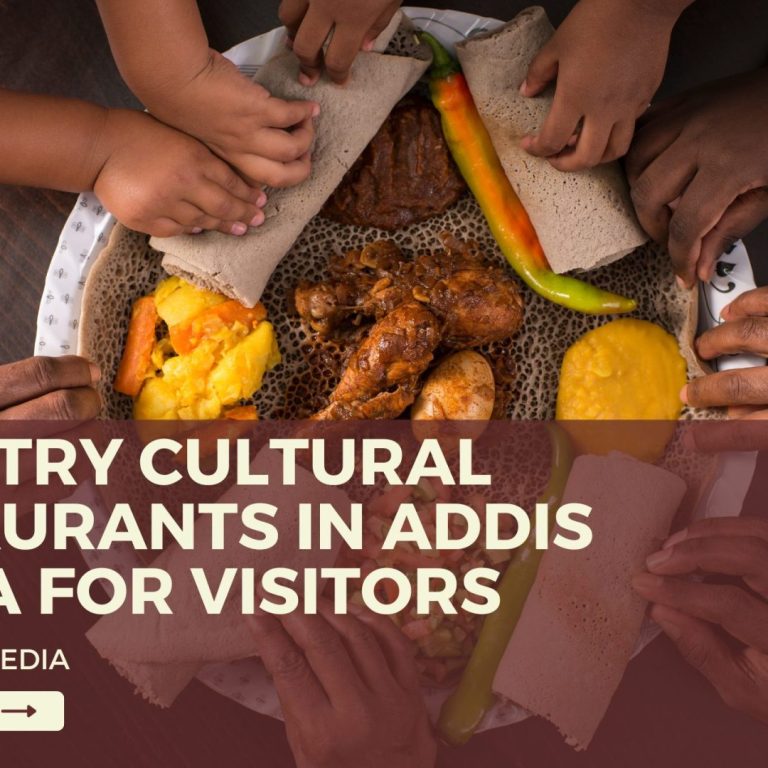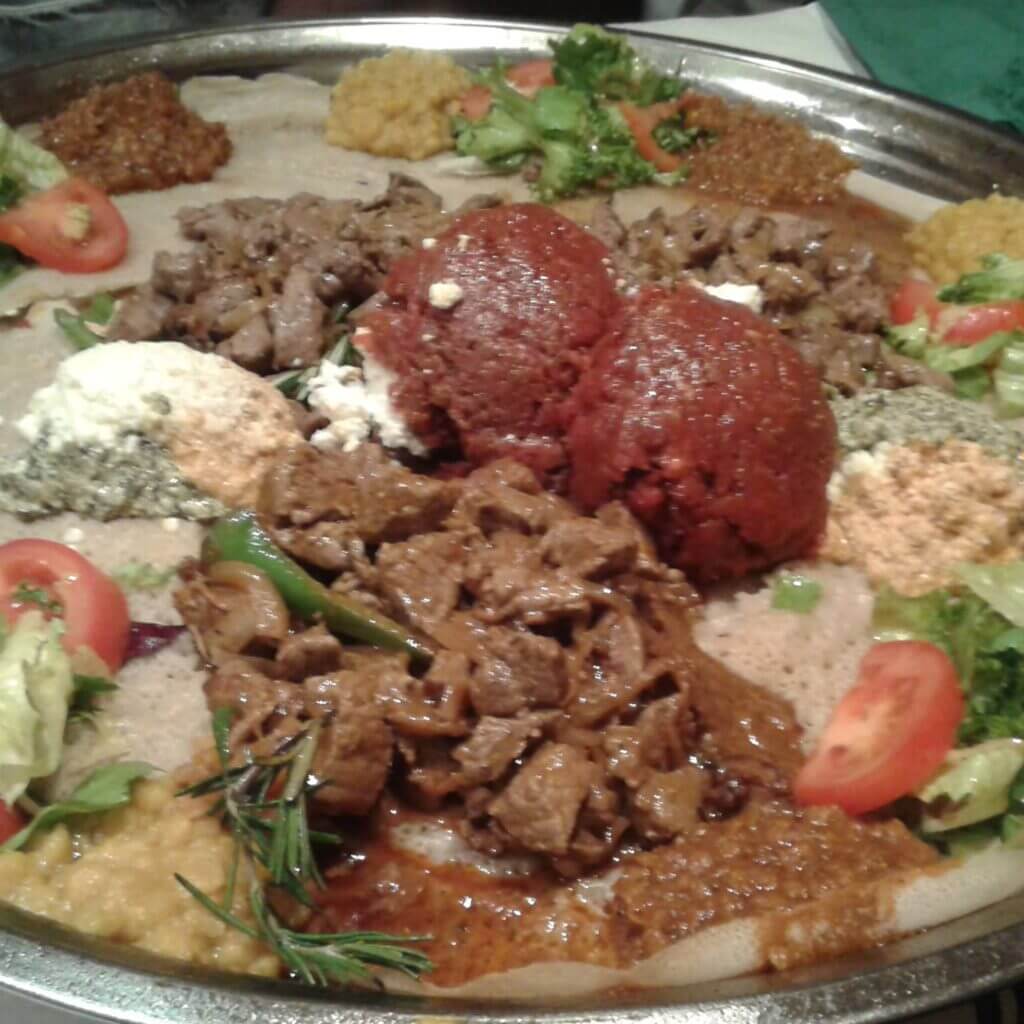
A shared Ethiopian meal often arrives on a wide round of injera. Stews, greens and other dishes sit on top, and diners tear off pieces of bread to scoop them up. If you are ordering for a group, a combination platter is an easy way to try several dishes in one meal.
On this page: What to order for a group · What the menu names mean · How to eat from a shared platter · Bread, spices and sides

Start with the bread and the platter
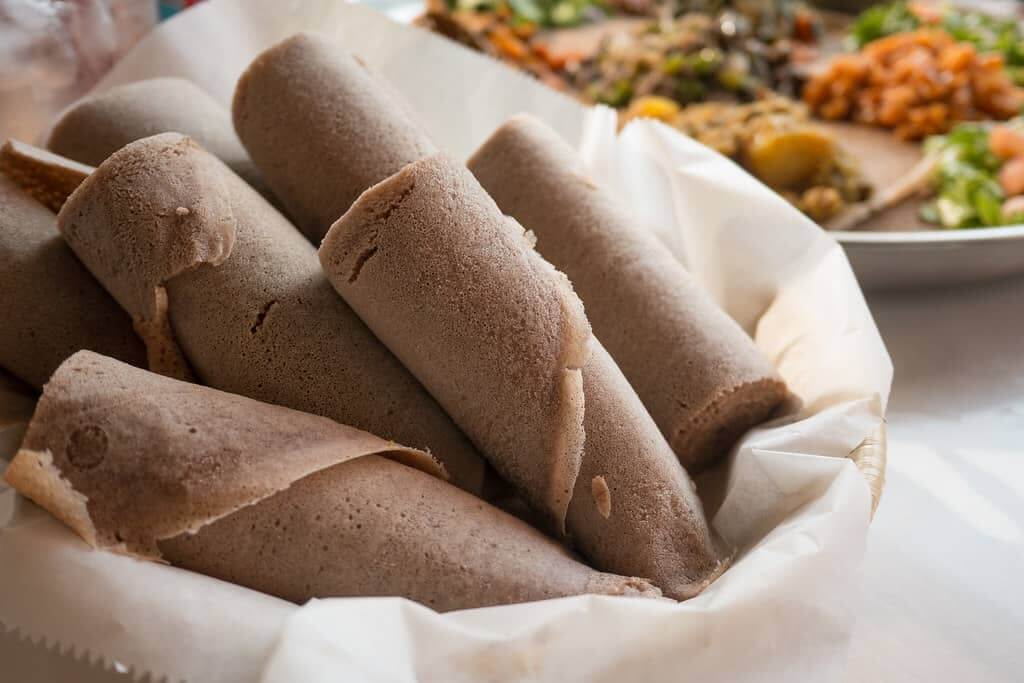
Injera is a soft, fermented flatbread with small holes on the surface. Teff is a traditional choice. Some cooks use other grains or blends. If you need to avoid wheat, ask about the flour and how the bread is made. FAO’s guide to teff and injera
A beyaynetu platter gives you several dishes on one piece of injera. On a fasting platter you might get shiro, misir wat, greens and vegetables. Our fasting food guide explains how to order and what to confirm about the cooking fat.
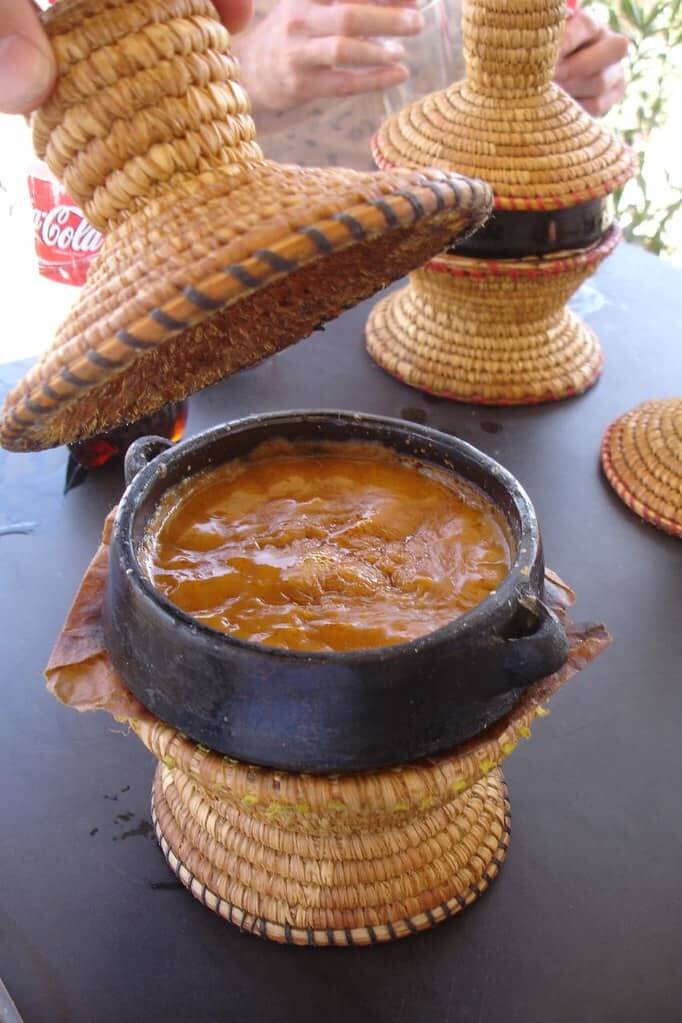
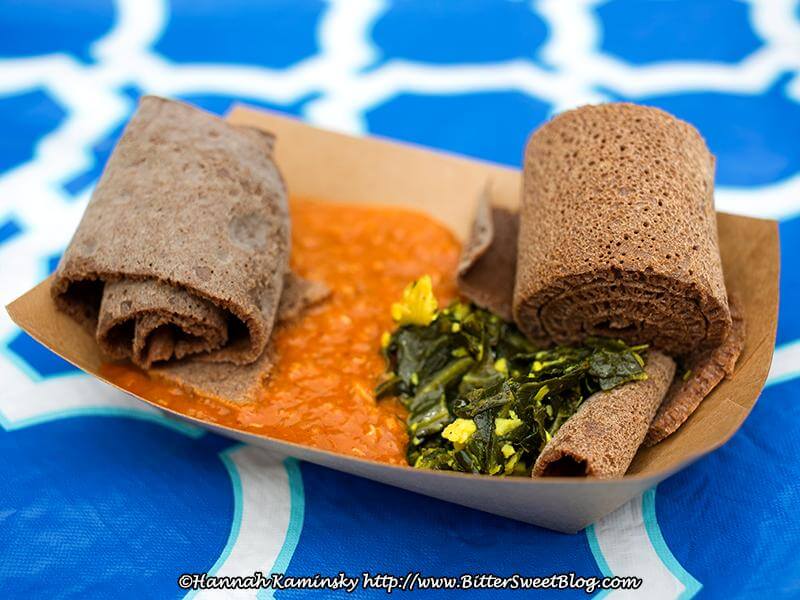

Three ways to order for a group
For a first visit. Start with one combination platter so everyone can try several dishes. A mix of lentils, shiro and a mild vegetable side shows what the kitchen does with both berbere and gentler seasonings. Ask how many people a platter serves before ordering extras.
For a mixed group. Order a fasting platter with its own injera, then order the meat dishes separately. Ask about butter in the vegetables and spices, and about the flour in the injera if anyone needs to avoid wheat. The fasting platter guide has a dish-by-dish breakdown.
For a group that wants to try kitfo. Ask for it fully cooked and choose a side. Kocho, ayib and greens are a common pairing, while some kitchens serve it with injera. The kitfo guide explains the names that indicate doneness.
Choose a stew, sauté or minced beef
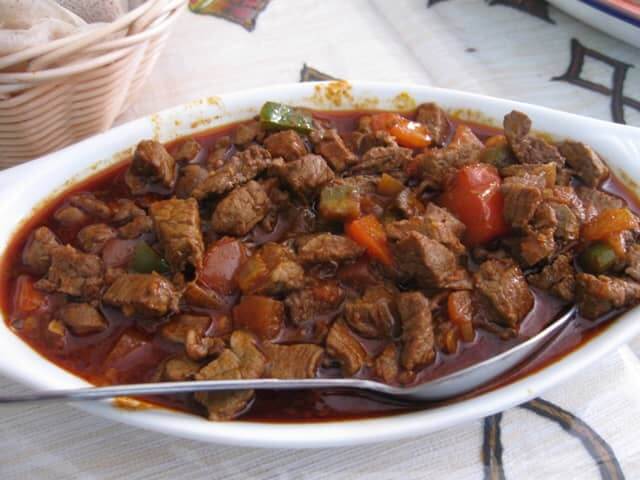
Wat is a stew. Doro wat is made with chicken, while misir wat uses lentils. Tibs are sautéed pieces of meat. Kitfo is minced beef seasoned with butter and mitmita and can be served at different levels of doneness. For more names you may see, see the traditional Ethiopian dishes guide.

How to read the menu beyond the dish names
Key wat usually signals a red stew seasoned with berbere. Alicha signals a milder preparation. You can ask whether the kitchen makes its lentils or split peas both ways. Shiro is thickened with ground pulses, while misir wat gets its texture from the lentils themselves. Both go well with injera, and they feel different in the same bite. FAO’s teff guide includes the role of pulse-based wat at the table.
For meat, choose a stew if you want more sauce for the bread, or tibs if you want pieces of sautéed meat. Doro wat often comes with a hard-boiled egg cooked in the sauce. If you want to gauge the heat, ask about the preparation of the specific dish. The same name can taste different from one kitchen to the next. The Smithsonian cooking guide includes examples of Ethiopian spice blends and dishes.
How the spices differ
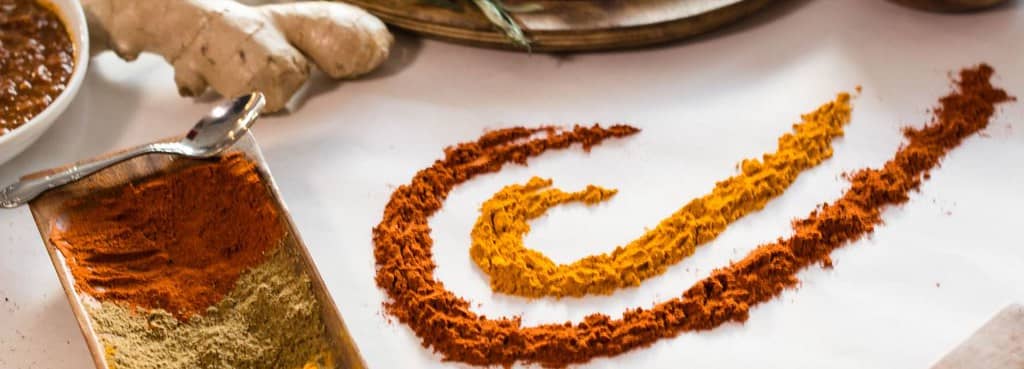
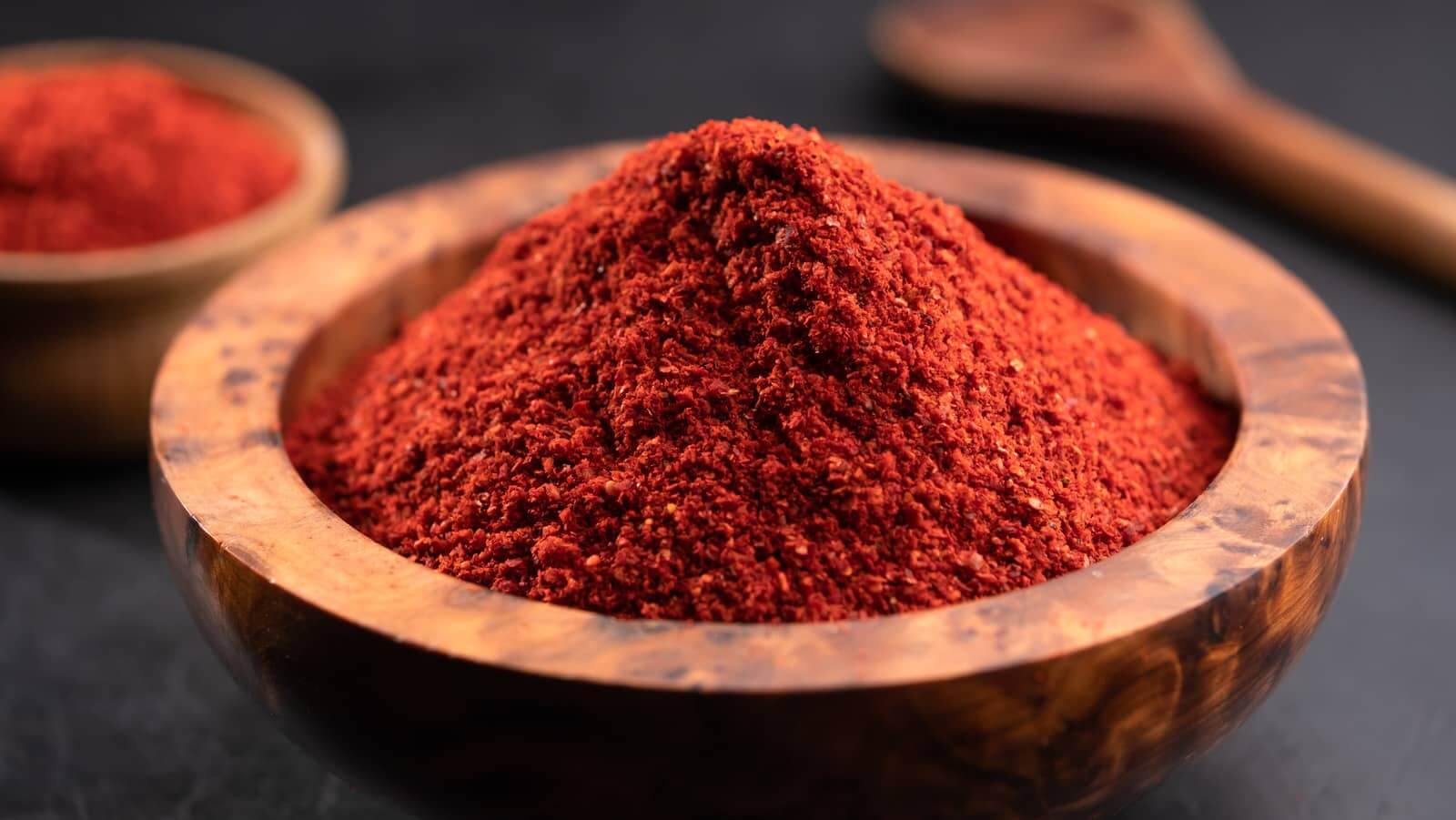
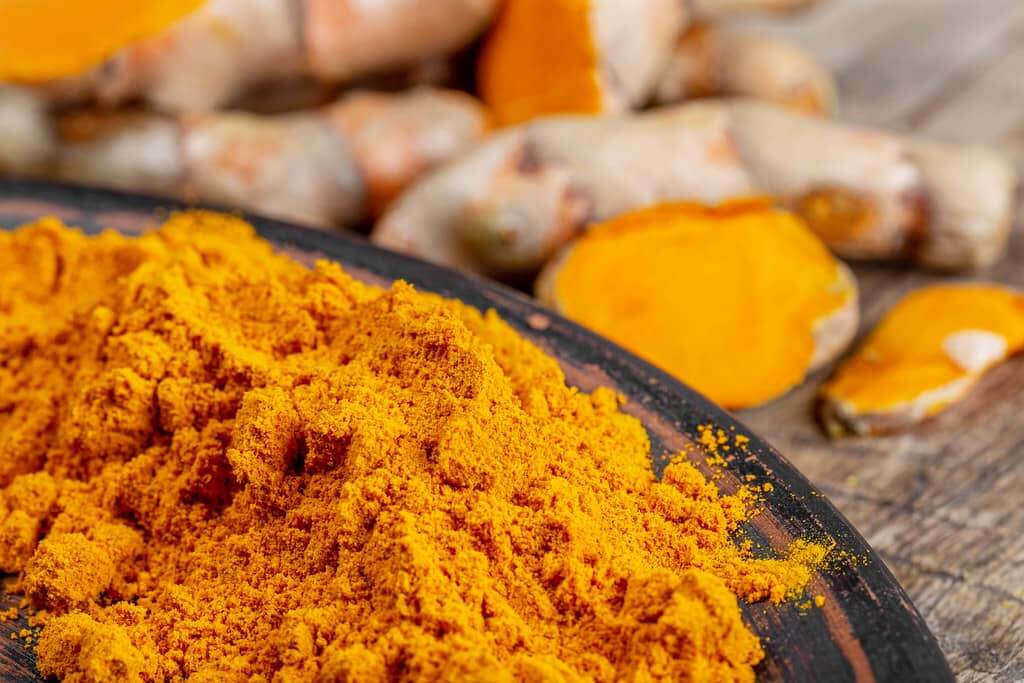
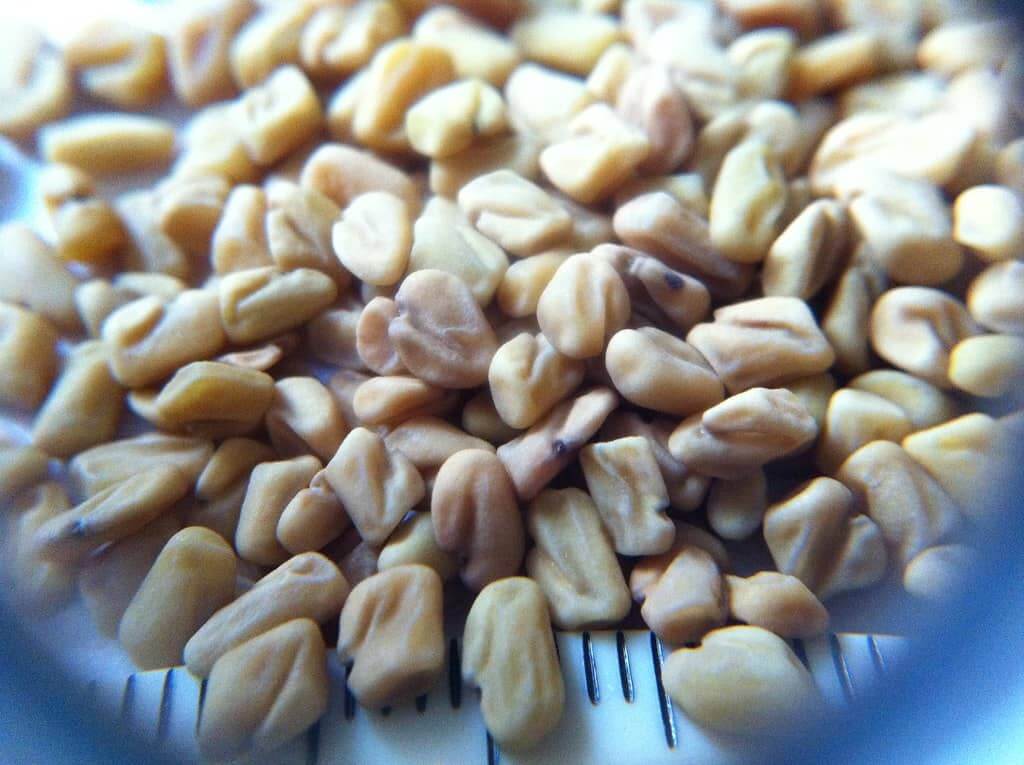
Berbere is a chile-based blend used to build the flavor of many red stews. Mitmita is a hotter blend often served with meat. Korerima has an aromatic, cardamom-like character, and fenugreek appears in some blends. Niter kibbeh is spiced clarified butter. A milder alicha dish can give the table a different flavor alongside berbere-seasoned dishes. Smithsonian Asian Pacific American Center’s Ethiopian cooking resource

How to eat from the shared platter
Use the loose injera served beside the platter to start. Tear off a piece about the size of the bite you want, fold it around the stew or vegetables, and eat it in one bite. Take from the section within reach. The injera underneath the food absorbs the sauces, so you can tear pieces from it as the platter clears.
You may see someone offer a bite directly to another diner as a gesture of affection or hospitality. The gesture is called gursha. If you are new to the meal, you can follow your host’s lead and eat from the platter with your own pieces of injera. Hagar Salamon’s research describes the meanings of gursha in Ethiopian meals.
What the bread and sides add to a meal
Injera’s mild acidity balances rich sauces. Kocho, made with fermented enset, has a denser texture and a different taste. Ayib can cool a hot bite of kitfo or mitmita, while gomen brings the greens to the plate. Our injera guide explains what gives the bread its soft texture. If you are ending the meal with coffee, the coffee ceremony guide explains what happens before the first cup.
Coffee after the meal

If coffee is offered, it may be brewed in a clay jebena and served in small cups. A full coffee ceremony includes roasting and can involve several rounds, so allow time for it if you are ordering one.