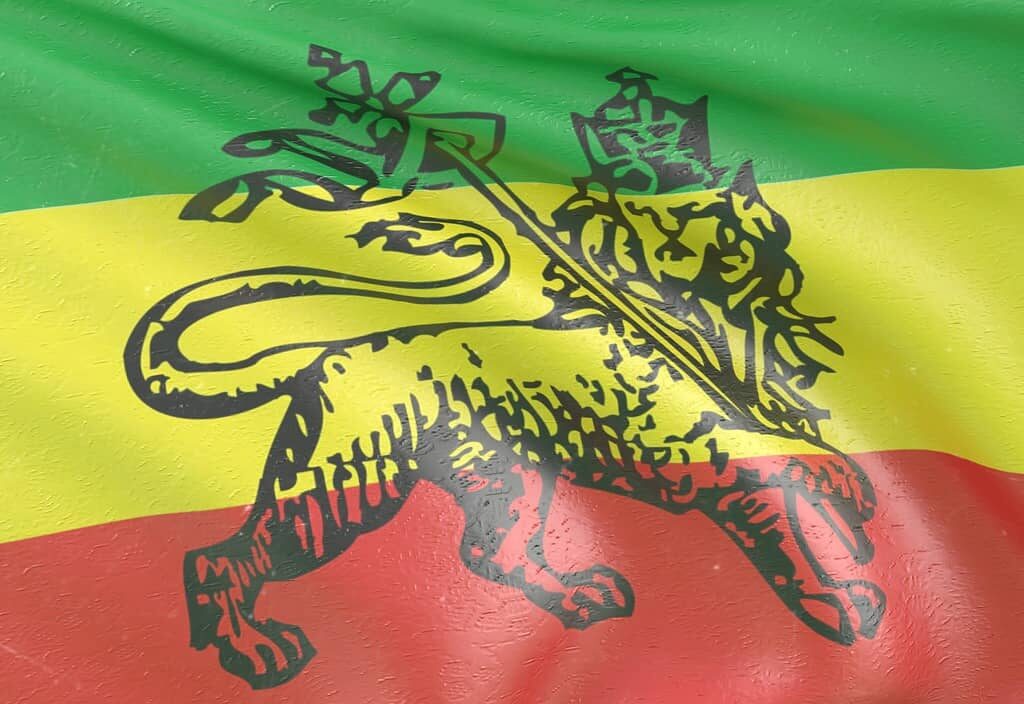
Rastafari emerged in Jamaica in the 1930s, drawing on biblical readings about Ethiopia, Black self-determination and the experience of people living under British colonial rule. The coronation of Haile Selassie I in 1930 gave many early followers a figure through whom to understand those ideas. The name Rastafari comes from his earlier title and name, Ras Tafari.
What the 1966 visit meant in Jamaica · How Shashamane became part of the story
The Jamaican roots of Rastafari
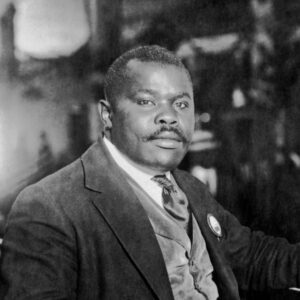
Marcus Garvey’s organizing helped give a wide audience to ideas about African independence and the dignity of African descendants. Early Rastafari teachers drew on that setting in different ways. Leonard Howell was one of several influential organizers. Pinnacle, the community associated with him, is part of the movement’s history and is discussed in Jamaica’s Ministry of Culture statement on the site.

What Ethiopia represents
For many Rastafari, Ethiopia is Zion, a spiritual homeland and a symbol of liberation. Many revere Haile Selassie as divine, though beliefs and practices vary among communities. Repatriation has had both spiritual and practical meanings. Some Rastafari settled in Shashamane, Ethiopia, where a Smithsonian library record documents the opening of a Rastafari tabernacle. Ethiopia’s fight against the Italian invasion and occupation also mattered to audiences across the African diaspora.
April 21, 1966: The Jamaica visit
Haile Selassie arrived in Kingston on April 21, 1966, to a large welcome at Palisadoes Airport. The visit brought Rastafari into public view on a scale that mattered in Jamaica, where followers had faced discrimination. It is commemorated as Groundation Day. The Smithsonian’s account of roots reggae traces how the visit helped shape music and public culture.
What the 1966 visit meant in Jamaica
The state visit came four years after Jamaica became independent. Haile Selassie met Jamaican officials, visited institutions and drew a large welcome on arrival. For Rastafari who revered him, the visit carried religious meaning alongside the diplomatic program. Compare official schedules with accounts by people who were there. They describe the same visit from different positions. Haile Selassie’s diplomacy in the wider context of his reign. Jamaica Information Service’s account of the anniversary and visit.
How Shashamane became part of the story
The Ethiopian World Federation links the Shashamane land grant to diaspora support for Ethiopia and a desire among some supporters to settle there. People arrived over years and from several countries. Some were Rastafari, and some came through other Black repatriation movements. The grant shows how a spiritual and political connection to Ethiopia could take the concrete form of migration. The Federation’s history of the grant. Research on settlement and repatriation.
Practices and public symbols

Some Rastafari wear locks, follow ital food practices or gather for reasoning and communal drumming. Communities observe these practices in different ways. Reggae carried themes of liberation, Africa and spiritual life far beyond Jamaica, while gatherings and communities continued their work on the island and in the diaspora.