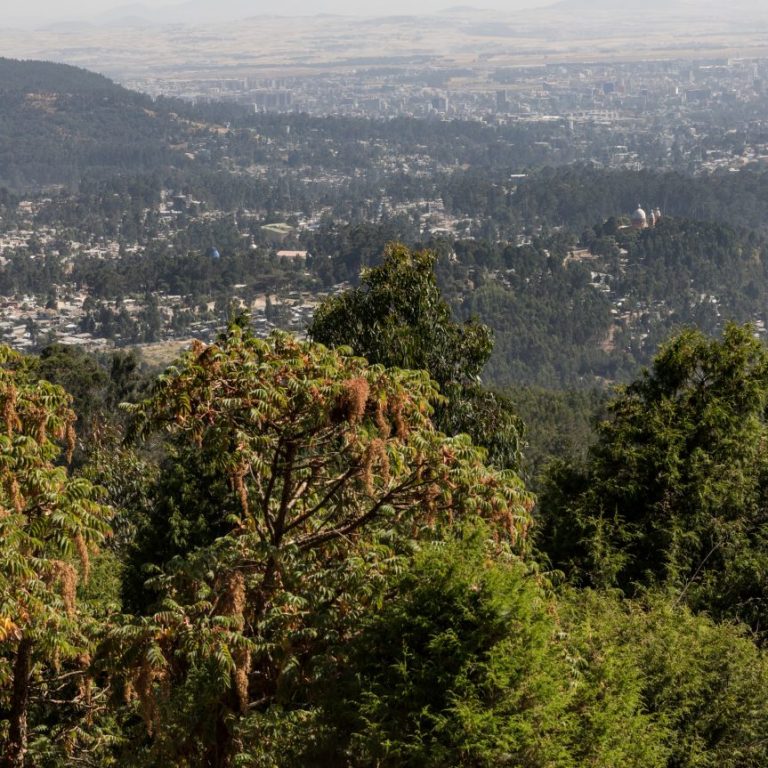
Gambella is both a town and a regional state in western Ethiopia, along the border with South Sudan. The Baro River runs through the town and connects the region to a wider river system. Seasonal flooding helps shape the surrounding wetlands, grasslands and wildlife movements.
Trace the Baro into the White Nile system · How changing water levels shape wildlife habitat
The Baro and its communities
The Baro is part of the Baro–Akobo–Sobat system, which feeds the White Nile. Anywaa, Nuer, Majang, Opo and Komo are among the communities in the region. Settlement, farming, fishing and livestock practices vary across the floodplain and forested areas. Gambella town serves as a regional center and brings together people from different backgrounds. Nile Basin Initiative’s Baro–Akobo–Sobat overview
Gambella National Park
Gambella National Park protects savannah, floodplains and riverine forest. The white-eared kob is associated with seasonal movements that cross the Ethiopia–South Sudan border. The presence of a species in the park does not guarantee a sighting on a particular route. Ethiopian Wildlife Conservation Authority’s Gambella profile · African Parks’ conservation account
Trace the Baro into the White Nile system
The river that passes Gambella town is the Baro. Farther west it joins the Pibor system to form the Sobat, which flows into the White Nile in South Sudan. This puts Gambella in a different Nile drainage from Lake Tana and the Abbay. Seasonal overbank water can spread well beyond the main channel, linking rivers to low-lying wetlands. Compare the two Ethiopian contributions to the Nile. Nile Basin Initiative’s basin assessment.
How changing water levels shape wildlife habitat
White-eared kob move across the wider landscape between Ethiopia and South Sudan. Nile lechwe are associated with the wetter parts of the floodplain. The park’s river margins, wet grassland and more wooded areas support different animals. A migration report may describe the wider range or a particular survey. It does not establish where a herd will be on an individual day. Read the national park comparison for how Gambella’s setting differs from the Rift Valley and highland parks. Convention on Migratory Species fact sheet.
What to check before planning a visit
Check current travel advice and park access for the specific route, particularly near border areas. Community visits should be arranged with local hosts who agree to receive visitors. Our river guide places the Baro alongside Ethiopia’s other rivers, and our national parks guide describes other landscapes. UK travel advice for Ethiopia