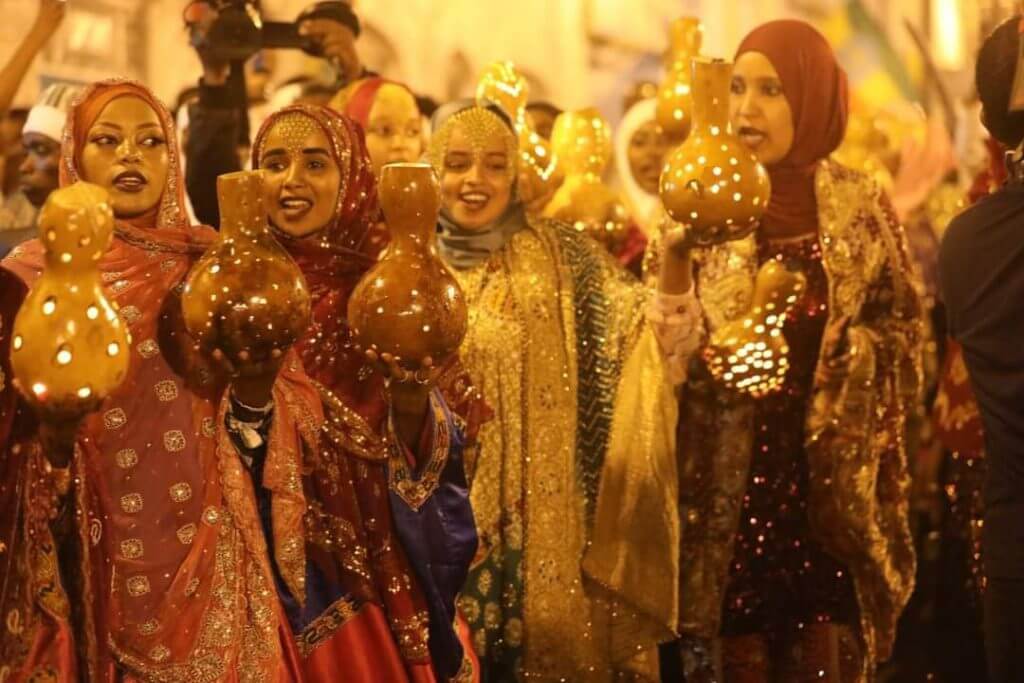
Shuwalid, often called Shewal Eid, is a three-day Harari festival that follows six days of fasting in Shawwal. Eid al-Fitr marks the end of Ramadan. Shuwalid comes later in the same lunar month, after the additional fast. That sequence explains why the two celebrations have different dates.
Put Eid al-Fitr, the fast and Shuwalid in order · Why the shrines and the city both matter

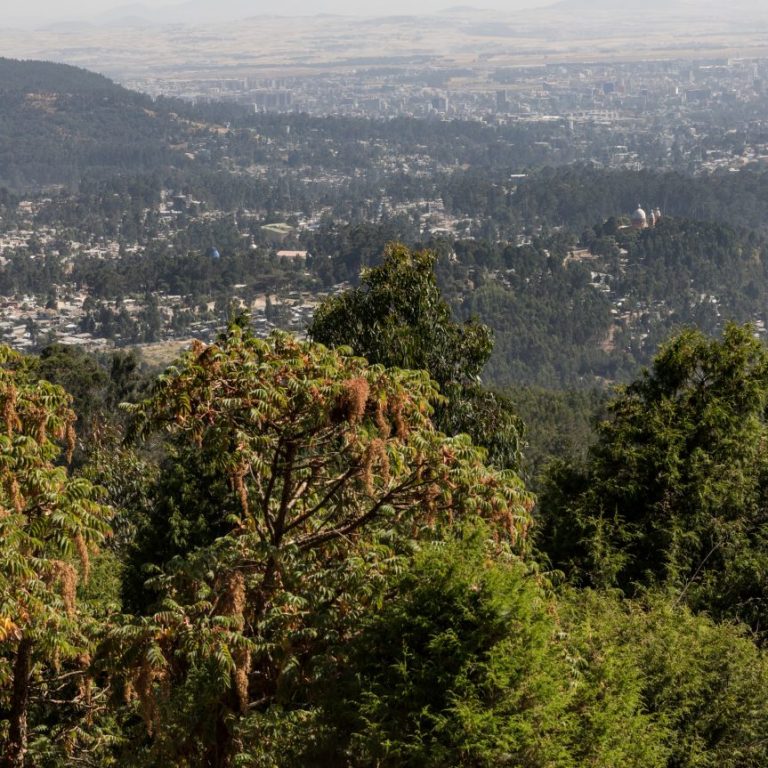
Where Shuwalid is celebrated
The festival is associated with the shrines of Aw Shulum Ahmed and Aw Akebara near gates of Harar Jugol. The gatherings include prayer, song, dance and visits among families and friends. The UNESCO festival record describes the shrines and the role of the celebration in passing Harari customs to younger generations.

Put Eid al-Fitr, the fast and Shuwalid in order
Eid al-Fitr marks the end of Ramadan and the beginning of Shawwal. Shuwalid follows a period of six days of fasting in Shawwal in Harari practice. Those are distinct points in the calendar. An Eid al-Fitr date alone therefore does not tell you when the public Shuwalid gatherings take place. Check the announcement from Harari organizers for that year. UNESCO’s inscription decision describes the sequence.
Why the shrines and the city both matter
The shrines of Aw Shulum Ahmed and Aw Akebara give the gatherings specific places within Harar’s urban landscape. Prayers, songs and gatherings are part of how participants pass the celebration on to younger people. The festival has its own UNESCO recognition. The walls, gates and historic streets belong to the separate World Heritage listing for Harar Jugol. UNESCO’s Shuwalid record.
When the dates are set
Shawwal follows Ramadan in the Islamic lunar calendar, so the Gregorian date changes from year to year. Check the locally announced dates if you plan to attend. The public celebrations and activities at individual shrines can have different schedules.
UNESCO inscribed Shuwalid on the Representative List of the Intangible Cultural Heritage of Humanity in 2023. Its inscription decision explains what the recognition covers. The walled town of Harar has a separate place among Ethiopia’s World Heritage sites.