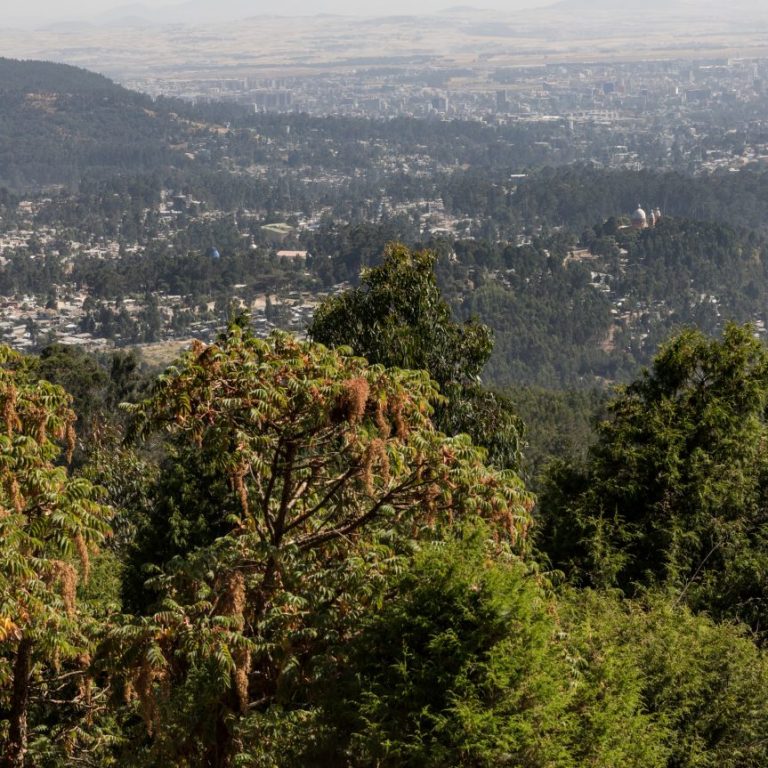
Ethiopia has twelve sites on the UNESCO World Heritage List: ten cultural properties and two natural properties. The cultural sites include archaeological landscapes and living towns. The two natural sites are Simien National Park and Bale Mountains National Park. The dates below are the years UNESCO added each place to the list. For changes to the list, see UNESCO’s official Ethiopia listing.
What the cultural landscapes preserve · How to read a UNESCO designation
Churches, capitals and historic towns
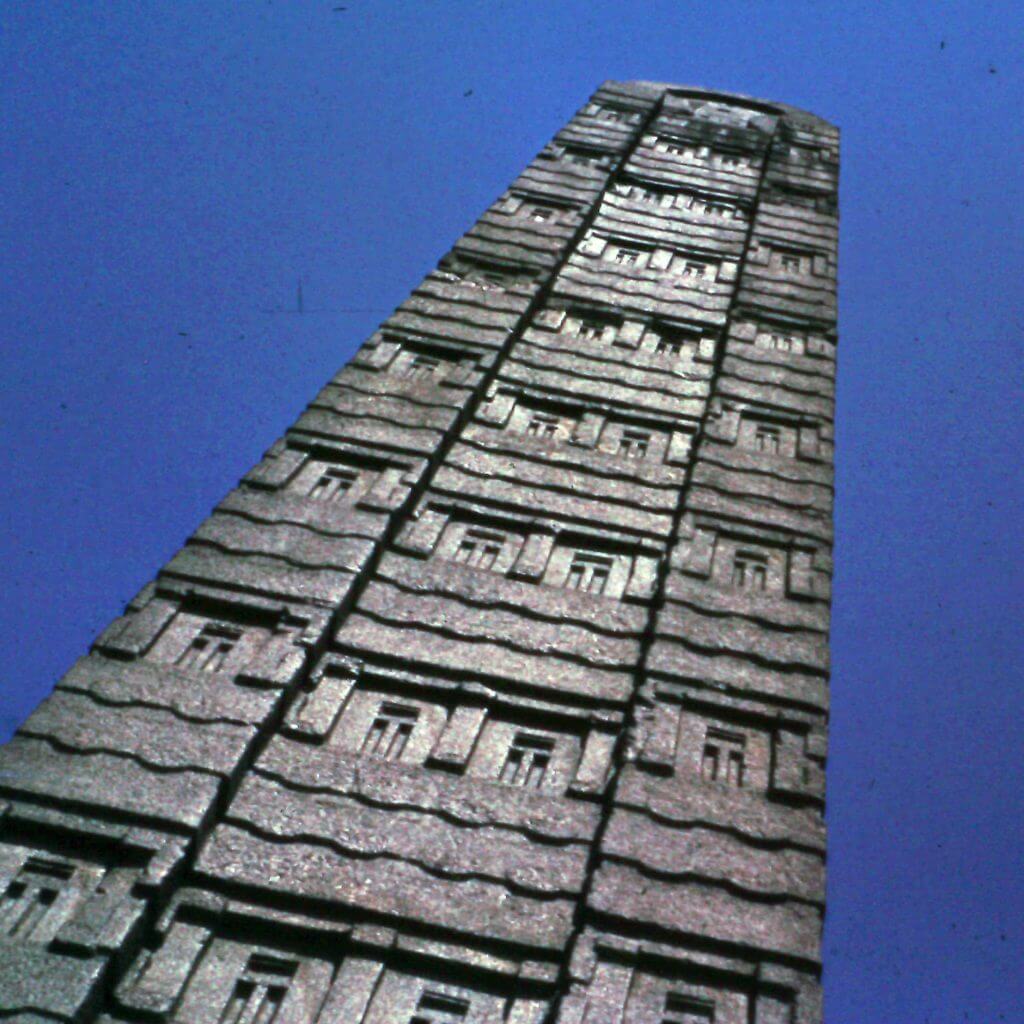
1. Aksum (1980)
Stelae, tombs and inscriptions mark the capital of the ancient Kingdom of Aksum. Saint Mary of Zion also makes the city an important Ethiopian Orthodox pilgrimage center.

2. Rock-Hewn Churches, Lalibela (1978)
Eleven medieval churches are cut into the rock and connected by a network of courtyards and passages. Our Lalibela guide explains how the churches are grouped.

3. Fasil Ghebbi, Gondar Region (1979)
The royal compound and associated buildings recall the period when Gondar was Ethiopia’s imperial capital. See Gondar’s castles and royal buildings for the main places to look for.

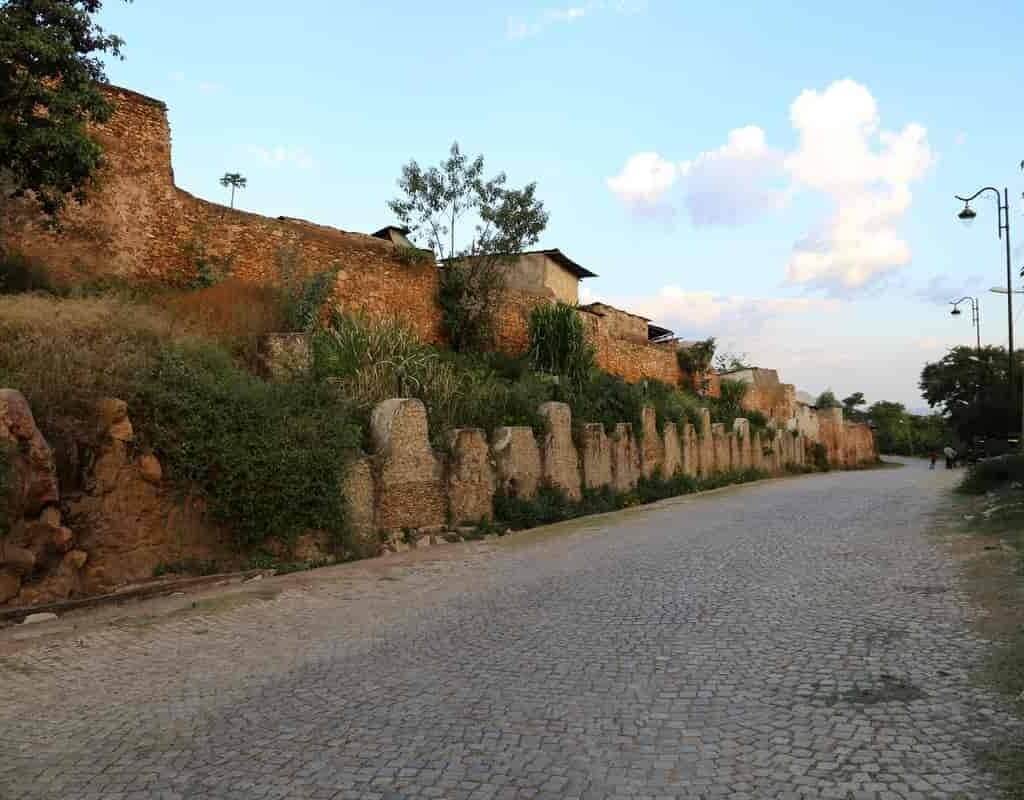
4. Harar Jugol, the Fortified Historic Town (2006)
The walled historic town is a center of Islamic scholarship and trade. Its streets, religious buildings and houses reflect Harar’s distinct urban traditions.
Archaeology and cultural landscapes

5. Tiya (1980)
Carved stone stelae mark a burial site south of Addis Ababa. The meaning of some carved symbols is still debated.

6. Lower Valley of the Awash (1980)
The valley contains major sites for studying human evolution. At Hadar, excavators found Lucy, or Dinkinesh, in 1974.

7. Lower Valley of the Omo (1980)
Fossils and geological deposits in the lower valley record a long stretch of human evolution and environmental change.

8. Konso Cultural Landscape (2011)
Stone terraces, walled settlements and community traditions show how generations of Konso farmers shaped and maintained their land.
9. The Gedeo Cultural Landscape (2023)
A system of farming under tree cover, along with sacred forests and archaeological sites, forms this landscape in southern Ethiopia. See UNESCO’s Gedeo listing.
10. Melka Kunture and Balchit (2024)
Stone tools, fossils and an obsidian source in the Ethiopian highlands preserve evidence of early human activity. This is Ethiopia’s most recent inscription on the current list. See the UNESCO property record.
Two natural World Heritage sites
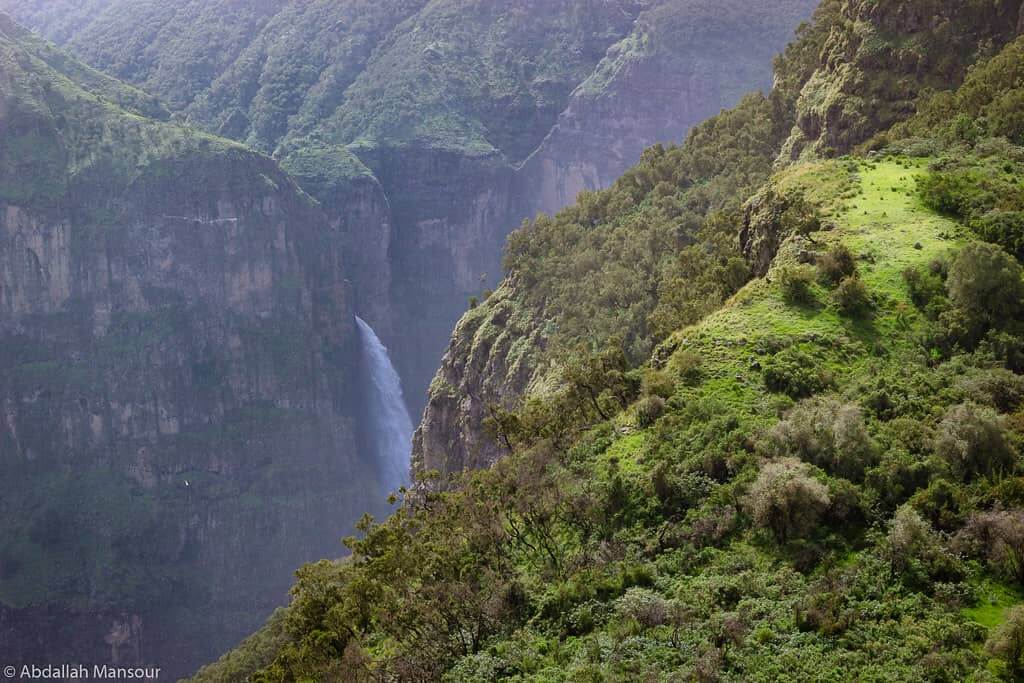
11. Simien National Park (1978)
The Simien Mountains contain cliffs, deep valleys and highland habitats used by species such as the Walia ibex and gelada.
12. Bale Mountains National Park (2023)
The Bale Mountains protect the Sanetti Plateau, Harenna Forest and habitats of the Ethiopian wolf and mountain nyala. UNESCO’s Bale listing explains what sets the park apart.
What the cultural landscapes preserve
Tiya’s carved stones mark a burial site. At Konso, the relationship between terraced fields and walled settlements is central to the listing. Gedeo adds another pattern, with farming under trees, sacred forests and megalithic sites. All three properties contain stone features. Reading their descriptions shows why an individual monument and a landscape shaped over generations are protected in different ways. Heritage routes by interest. UNESCO’s Gedeo landscape description.
How to read a UNESCO designation
The World Heritage List records inscribed properties. A Tentative List entry records a place the country may propose. Lake Tana has a separate biosphere reserve designation, while its monasteries are on the Tentative List. The living traditions discussed below are recognized through another program. Check the program and status when you see the UNESCO name associated with an Ethiopian site. Lake Tana and its basin. UNESCO’s official Ethiopia entries and Tentative List.
Living traditions recognized by UNESCO
UNESCO’s Intangible Cultural Heritage program records practices passed on within communities. Ethiopia’s entries include Meskel, Timket, the Sidama New Year festival Fichee-Chambalaalla and Gada, the Oromo system of social and political organization. They appear in UNESCO’s Ethiopia list of living heritage.