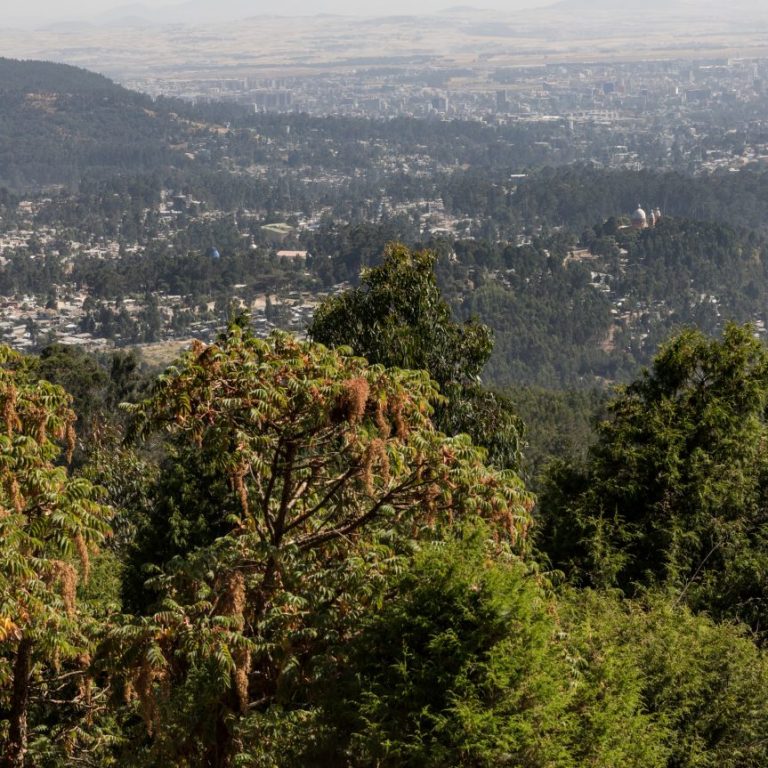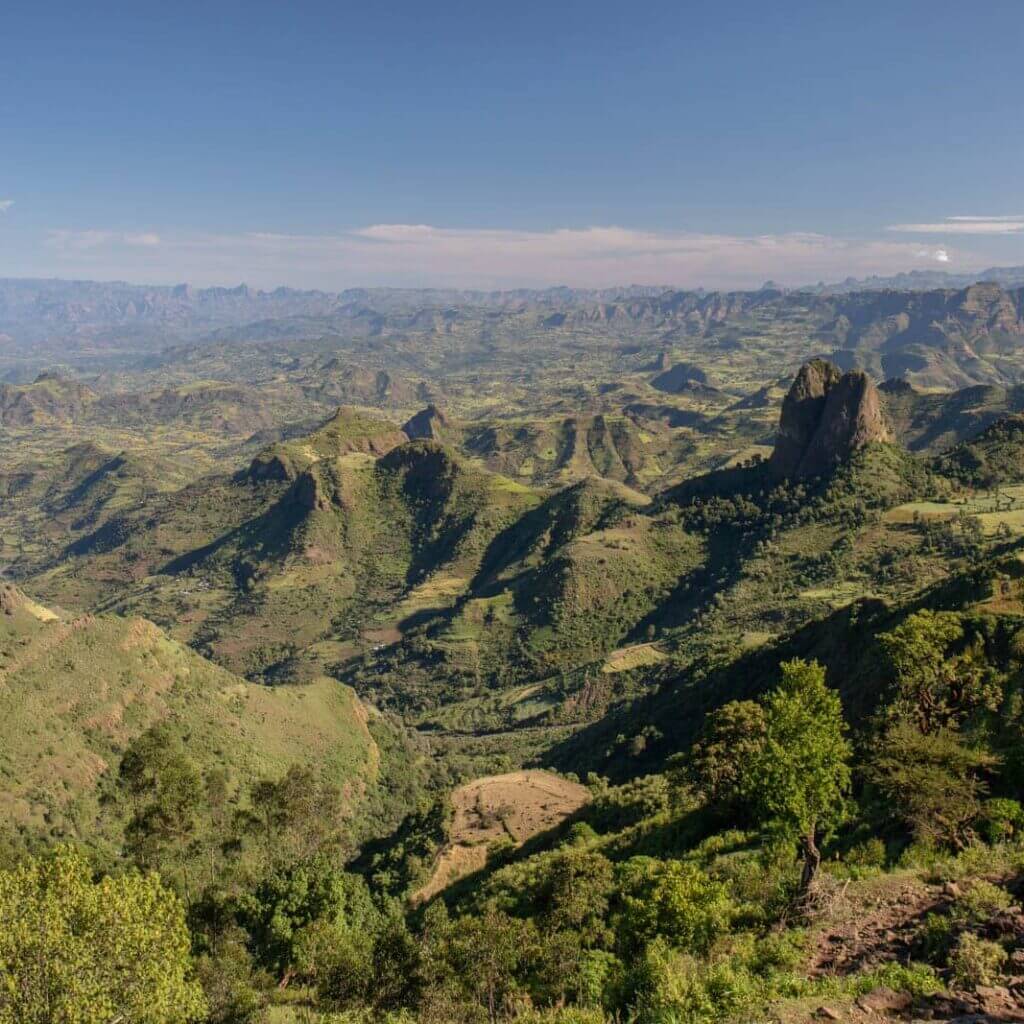
Ethiopia’s climate changes quickly with elevation. Addis Ababa and the high plateaus are generally cooler than the Rift Valley floor and Afar lowlands. Rain also follows different calendars across the country. A forecast for the capital gives little indication of what to expect in the Danakil Depression or the far southeast.
Why rainy months differ across Ethiopia · Read seasonal outlooks alongside local forecasts

Three seasons used in Ethiopia’s forecasts
The Ethiopia Meteorology Institute uses Belg for the February to May period, when parts of the country receive a smaller rainy season. Kiremt, from June to September, brings the main rains to much of the northern and central highlands. Bega, from October to January, is generally drier across much of the highlands, although some southern and southeastern areas receive rain during part of that period. Ethiopia Meteorology Institute’s seasonal assessment

What elevation changes
A highland destination can have cool mornings and evenings even in a dry month. Lower elevations are typically warmer, and the Afar and eastern lowlands contain some of the country’s driest areas. The southwestern highlands and forests generally receive more rain than the northeast lowlands. National averages obscure these differences. World Bank climate profile

Why rainy months differ across Ethiopia
Across much of central and northern Ethiopia, the heavier summer rains fall during Kiremt. Moving south and southeast changes the pattern. Many areas there have a longer rainy period in spring and a shorter one later in the year. Western and southwestern areas can have longer wet periods. These are averages. Any single year can start earlier, end later or bring less rain. Ethiopia Meteorology Institute’s rainfall maps.
Read seasonal outlooks alongside local forecasts
A seasonal outlook describes the chance that total rainfall will fall above, near or below a historical range for an area. It cannot tell you which afternoon will be wet. On the same day, a high ridge can be colder and windier than a town below. River levels can also rise downstream after rain that fell well upstream. Use a local forecast for your stop and a seasonal bulletin for the wider pattern. How the seasonal patterns affect different trips. Ethiopia Meteorology Institute seasonal bulletins.
Use a local forecast for travel
Check the forecast for the town, valley or trail you will actually visit. Rain can affect roads and paths, while wind and elevation can matter more on the Simien escarpment or the Bale Plateau. Our seasonal travel guide puts these patterns in the context of a trip.