Timket is the Ethiopian Orthodox celebration of Jesus’ baptism in the River Jordan. Its most visible rituals take place over two days. On Ketera, the eve of the feast, priests carry each church’s covered tabot to a place prepared for the blessing of water. Worshippers accompany the procession and return for the next morning’s prayers.
What happens before and after the water blessing
When is Timket?
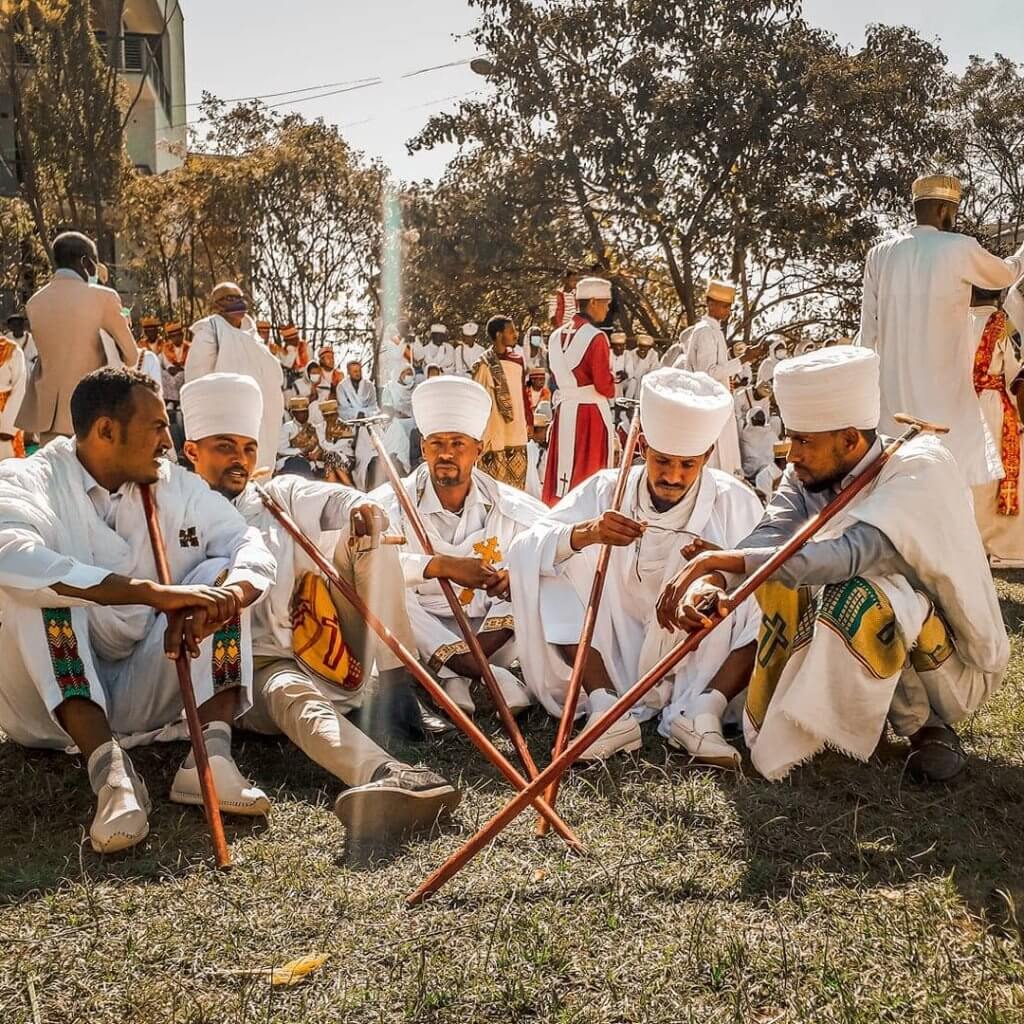
The feast falls on Tir 11 in the Ethiopian calendar. For present-day dates it usually falls on January 19, shifting to January 20 when the Ethiopian year began on September 12. Ketera takes place the day before. Ethiopia’s national heritage register entry records both Gregorian dates.
Ketera: The tabot leaves the church
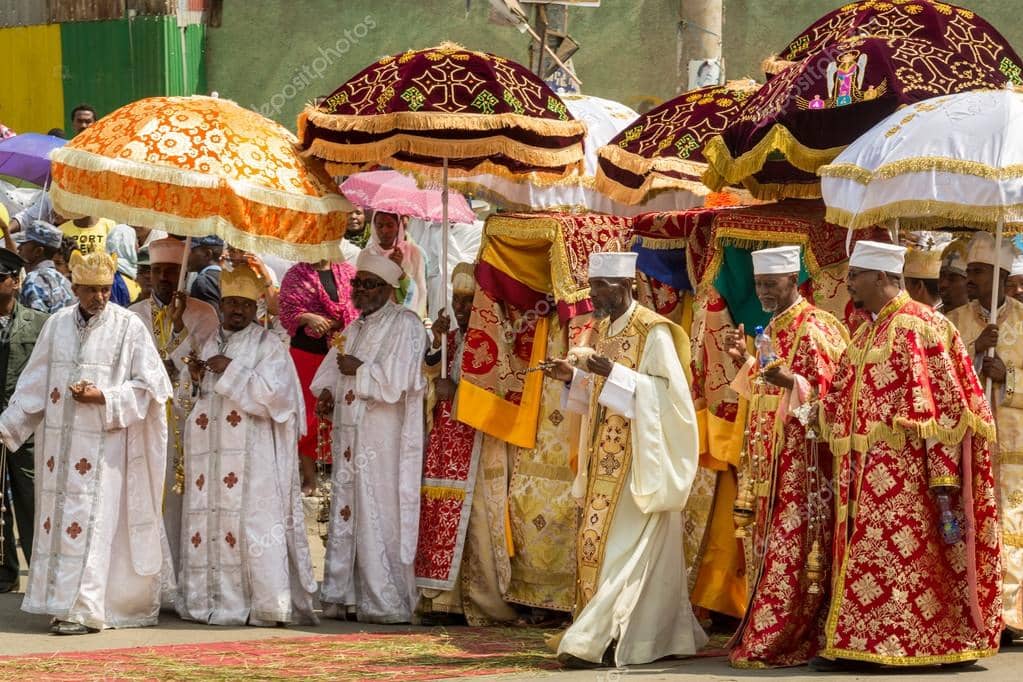
The tabot is a sacred altar tablet associated with the Ark of the Covenant. Priests carry it wrapped in cloth. The procession may include singing, drums and ceremonial umbrellas. At the gathering place, known as Timkete Bahir, the tabots remain overnight while worshippers keep vigil.
What happens before and after the water blessing
The outward procession on Ketera brings covered tabots from churches to the gathering place. The blessing of water takes place during the feast. Return processions bring the tabots back to their churches. The movement through public space is part of the observance, so a crowd along one street may be there for a procession even if the blessing takes place somewhere else. UNESCO’s account of Ketera and Timket.
The setting can be a pool, river or prepared reservoir. At Fasilides’ Bath in Gondar, the basin and its surrounding space explain why a building outside the royal compound matters to the feast. Confirm the local gathering place and schedule for the year you are following.
The blessing of the water

On the morning of Timket, clergy pray and bless the water. Worshippers may be sprinkled or enter the water according to local practice. The tabots are then escorted back to their churches. In some places the tabot of Saint Michael returns the following day, on that saint’s feast. The UNESCO record, which added Ethiopian Epiphany to its living heritage list in 2019, describes the sequence.
Public celebrations take place in Addis Ababa, Gondar and many other communities. If you attend, leave room for the procession and ask before photographing worshippers. Meskel is a separate Orthodox feast, with a bonfire at the center of its public ceremony.