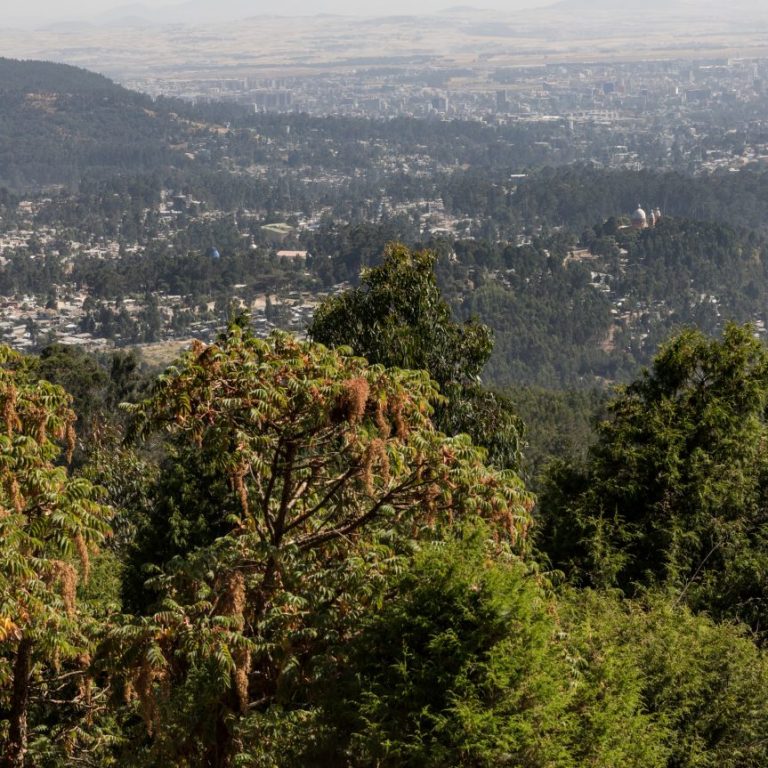
The Lower Omo Valley lies in southwestern Ethiopia, along the lower course of the Omo River before it reaches Lake Turkana. The river links farming, grazing, fishing and settlements across the area. Its sedimentary deposits also preserve a major archaeological record.
What volcanic ash tells us about Omo I · Distinguish the valley, park and research sites

What UNESCO’s Lower Valley of the Omo listing covers
The World Heritage inscription recognizes an archaeological and paleontological property. Finds in and around the lower valley help researchers study early humans and environmental change. This is a specific designation within the broader region. UNESCO’s Lower Valley of the Omo entry
What volcanic ash tells us about Omo I
At Omo Kibish, researchers found early Homo sapiens remains. A 2022 study connected ash above the fossil layer to an eruption dated to about 233,000 years ago, with a margin of about 22,000 years. The fossil layer predates the ash above it, so the eruption gives a minimum age. Compare the much older Lucy fossil at Hadar. The study and its dating method.
Distinguish the valley, park and research sites
The river runs through a large living region before entering Lake Turkana. The World Heritage property recognizes fossil deposits within the lower valley. Omo National Park is a protected area with a separate purpose. A town, archaeological site and national park may share the same river name while requiring different arrangements. Protected landscapes in southwestern Ethiopia. UNESCO’s Lower Valley of the Omo description.
The Omo Valley is home to distinct communities
Names you may encounter include Hamar, Mursi, Bodi, Kara, Nyangatom and Daasanach. The names refer to different communities, with different languages and histories. Our article on the Suri discusses another group in southwestern Ethiopia and explains some of the names used in travel accounts. Research on peoples and histories of the Omo–Turkana area

Plan around places and local arrangements
Jinka is a regional center often used to plan travel farther south. Choose stops based on your interests and check which routes are open. If a visit involves a community, arrange it with hosts who agree to receive visitors and ask before taking photographs. Our Ethiopia river guide explains where the Omo–Gibe fits in the country’s drainage systems.