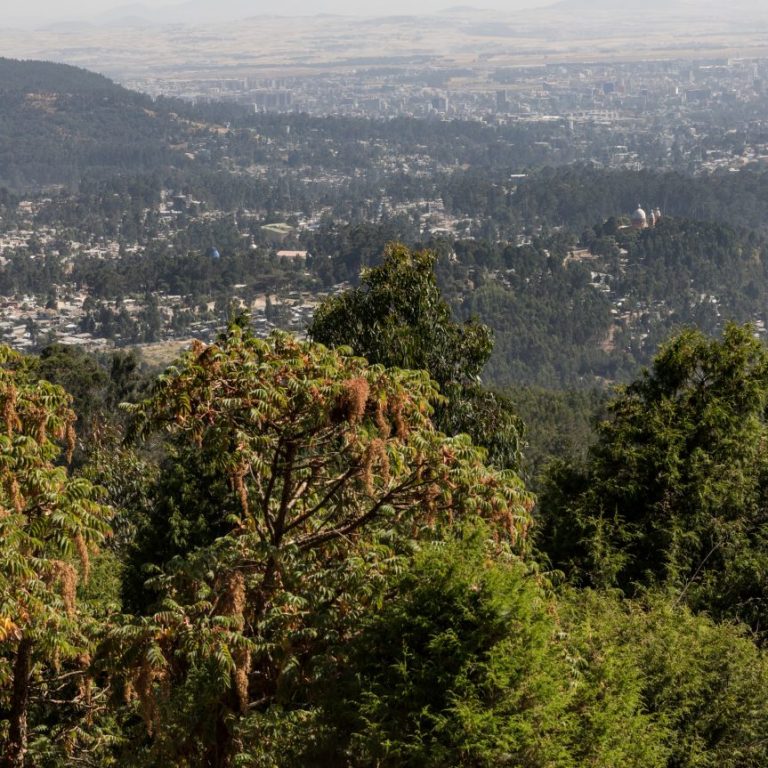
At Sof Omar in Ethiopia’s Bale Zone, the Weib River disappears underground and re-emerges farther down the gorge. Over time it dissolved and cut through limestone, leaving large chambers and a network of passages. The cave is also a living Islamic shrine associated with Sheikh Sof Omar.
Follow the Weib into the limestone · A pilgrimage site and an underground river

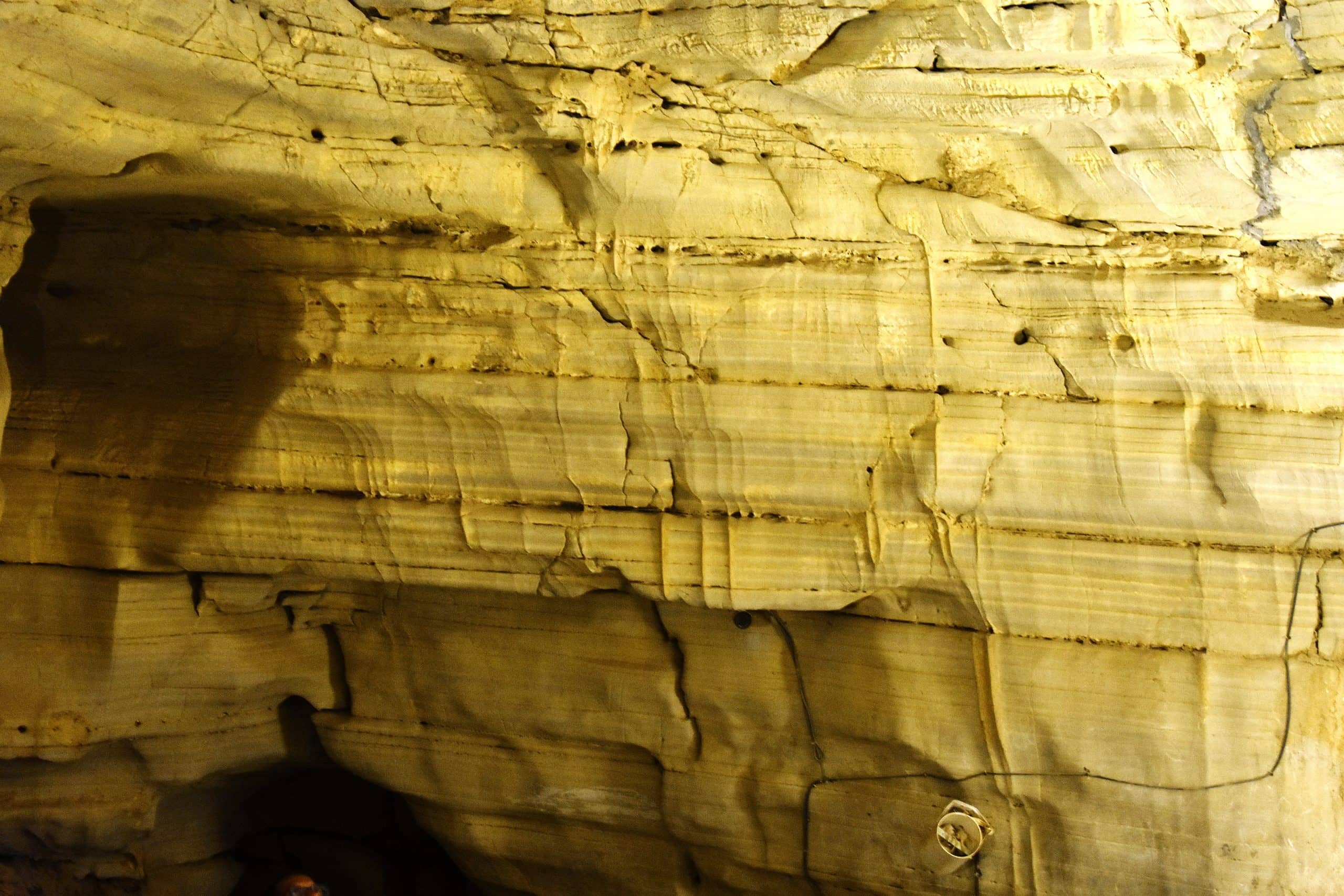
What the river carved
Ethiopia’s UNESCO Tentative List entry describes about 16 kilometres of passages across the whole system. The best-known feature is the Chamber of Columns, where tall limestone pillars rise through the central hall. The mapped system includes passages far beyond the part a guide may be able to show visitors.
Why Sof Omar is a place of pilgrimage
The cave takes its name from the Muslim saint Sheikh Sof Omar, also written Sof Umar. A chamber is used as a mosque, and other parts of the site figure in local religious traditions. An ICOMOS evaluation describes how the shrine and its traditions relate to the surrounding community. Sof Omar remains on Ethiopia’s Tentative List. The inscribed properties are listed in our Ethiopia World Heritage guide.
Follow the Weib into the limestone
The Weib carries water through parts of the cave system. Where water dissolves limestone along openings in the rock, the passages can widen over time. The Chamber of Columns is named for prominent stone formations. The length in the nomination describes the overall cave system. A guided visitor route depends on water and access and can cover a much shorter section. Ethiopia’s Sof Omar Tentative List description.
A pilgrimage site and an underground river
The chamber used as a mosque is part of a living religious site. A route can involve both geological features and spaces used for worship. Confirm where visitors are welcome and ask about river levels and crossings before setting out. Sof Omar and Bale Mountains National Park are separate places with different access arrangements. ICOMOS and IUCN describe the natural and cultural features.
Planning a cave visit from Bale
Ask locally about the approach road, guiding arrangements and river levels before leaving Robe. Parts of the visitor route may involve water crossings. A local guide can tell you which sections are open and where worshippers need space. Bring a headlamp and shoes suitable for wet, uneven ground. If you are also visiting Bale Mountains National Park, plan the cave as a separate outing with its own access arrangements.