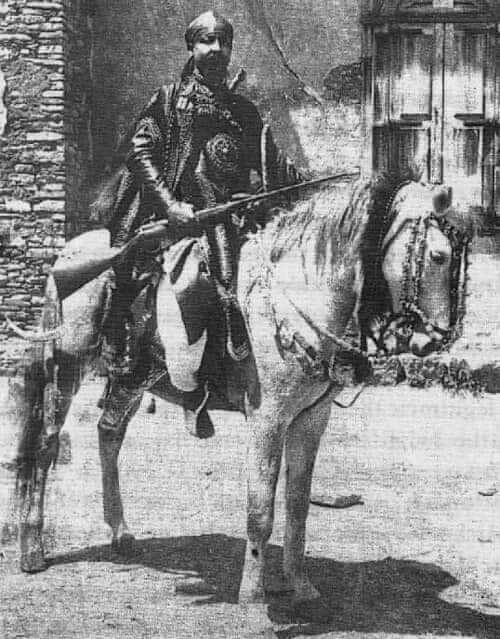
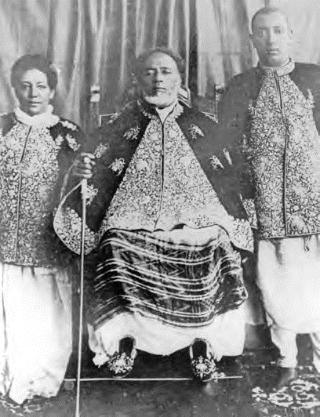
Ethiopia defeated Italy at Adwa in 1896 and secured formal recognition of its independence. Four decades later, Fascist Italy invaded again, seized Addis Ababa and imposed colonial rule in much of the country from 1936 to 1941. The phrase “Ethiopia was never colonized” usually refers to Ethiopia’s survival as an independent state during the Scramble for Africa. The later occupation is part of the same history.
The distinction runs through three events: the 1896 settlement, the second invasion and occupation, and the restoration of Ethiopia’s government in 1941.
Adwa ended Italy’s first bid for a protectorate
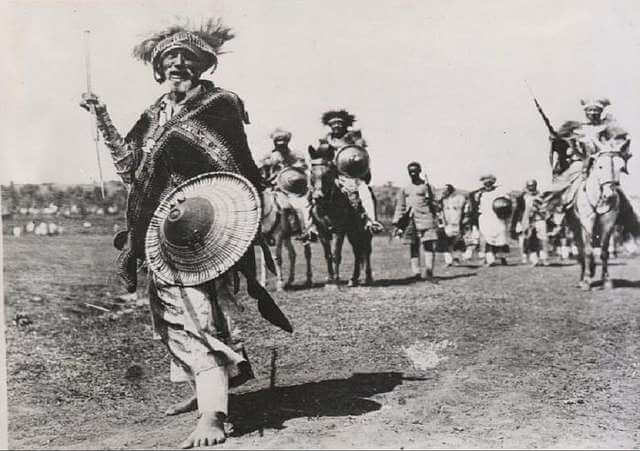
Italy already controlled Eritrea when it sought to take charge of Ethiopia’s foreign relations. It relied on the Italian version of the 1889 Treaty of Wuchale. The Amharic version treated Italian assistance as optional, and Emperor Menelik II rejected Italy’s claim. The disagreement eventually led to open war.
Ethiopia’s victory at the Battle of Adwa on March 1, 1896 forced Italy to negotiate. The resulting peace agreement annulled the earlier treaty, recognized Ethiopia’s independence and left Eritrea under Italian rule. The Library of Congress country study documents those terms and the diplomatic agreements that followed.

Two treaties with different consequences
The Treaty of Wuchale of 1889 set out relations between Italy and Ethiopia. Article 17 became the point of conflict. Italy treated its version as a basis for declaring a protectorate. Menelik maintained that the Amharic text left him free to conduct diplomacy independently. The Menelik II article explains the difference between the two readings. Text of the Treaty of Wuchale.
The 1896 Treaty of Addis Ababa followed the Italian defeat. It annulled Wuchale and recognized Ethiopian independence. The settlement did not return Eritrea to Ethiopia. Italy continued to rule that colony, so the result of Adwa was a defeat for the bid to control Ethiopia and not an end to Italian colonial rule in the Horn. The Battle of Adwa account follows the fighting and negotiations.
How Ethiopia was able to resist
Menelik negotiated with competing European powers while acquiring modern arms. He and Taytu also drew on a network of regional rulers able to raise troops. Ras Mengesha Yohannes, whose relationship with Menelik had been difficult, sought his support as Italy pushed into Tigray. Commanders including Ras Makonnen brought forces to the campaign.
Empress Taytu was involved in both diplomacy and mobilization. She opposed the Italian interpretation of the treaty and brought her own contingent to the campaign. The Library of Congress profile of Taytu Betul draws on historical accounts of her negotiations and responsibilities at Adwa.


What changed under Fascist Italy
Mussolini launched a second invasion in October 1935. Italian troops took Addis Ababa in May 1936, and Rome incorporated occupied Ethiopia into Italian East Africa alongside Eritrea and Italian Somaliland. Emperor Haile Selassie went into exile and appealed to the League of Nations. Ethiopian Patriots continued to resist within the country. The occupation ended in 1941 as Ethiopian and Allied forces defeated the Italian administration.
Italy’s colonial administration and the resistance to it are both essential to understanding what “never colonized” can and cannot convey. In 1896, Ethiopia secured a treaty recognizing its independence. From 1936 to 1941, Italians governed occupied territory, while Ethiopian resistance and diplomacy kept the claim to sovereignty alive.
The invasion, the League and the limits of recognition
Italy attacked in October 1935. Addis Ababa fell in May 1936, and Italy declared annexation. The League of Nations imposed sanctions during the war, yet they did not stop the invasion. Haile Selassie addressed the League’s Assembly on 30 June 1936, arguing that the attack was a test of the promises made to its member states. Library of Congress copy of the 1936 address.
The Italian government announced that it had created a single colony from occupied Ethiopia, Eritrea and Italian Somaliland. Its control in Ethiopia varied by place. The international response also varied. Contemporary diplomatic records distinguish Italy’s announcement, other governments’ responses, and the actions of the League. U.S. diplomatic records on the invasion and annexation.
How Ethiopian government was restored in 1941
Ethiopian Patriots maintained resistance after the capital fell. In 1941, Ethiopian forces and Britain’s East African campaign helped defeat the Italian administration. Haile Selassie returned to Addis Ababa on 5 May 1941. The full occupation history covers the years between the fall of the city and that return.
Italy’s defeat in 1941 and its legal renunciation of claims were different events. In the postwar negotiations, the Allies addressed recognition of Ethiopia’s independence and the consequences of the occupation. 1945 diplomatic record of the proposed peace terms.
How Ethiopia’s experience compares with Liberia’s
Liberia is also commonly named among African states that avoided formal European rule. Its history took a different course. A settlement sponsored by the American Colonization Society declared itself an independent republic in 1847, decades before Adwa. The U.S. Office of the Historian’s account of Liberia’s founding describes that earlier relationship. Ethiopia’s nineteenth-century struggle centered on preserving the sovereignty of an existing state.

Figures in the Adwa campaign
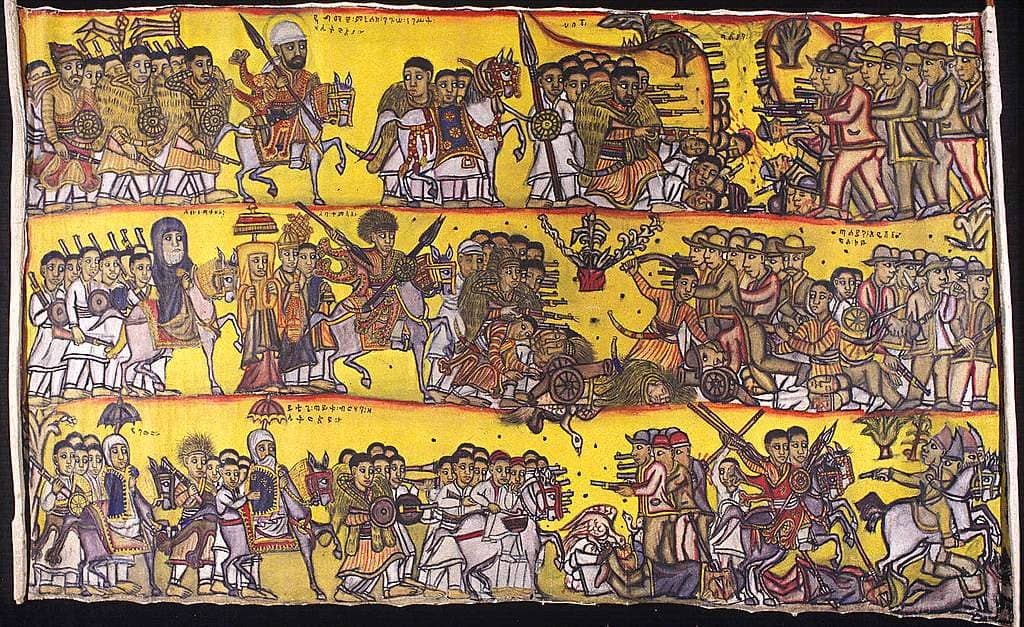
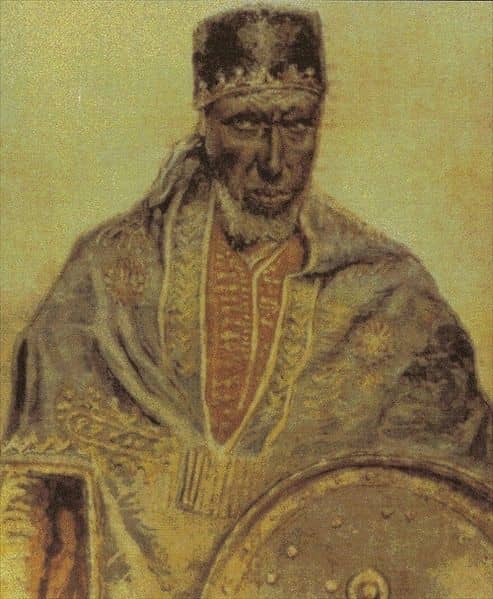
Ethiopian artists have depicted the battle and its leaders across generations. The Smithsonian National Museum of African Art’s Battle of Adwa painting shows how this history has been recorded in art.