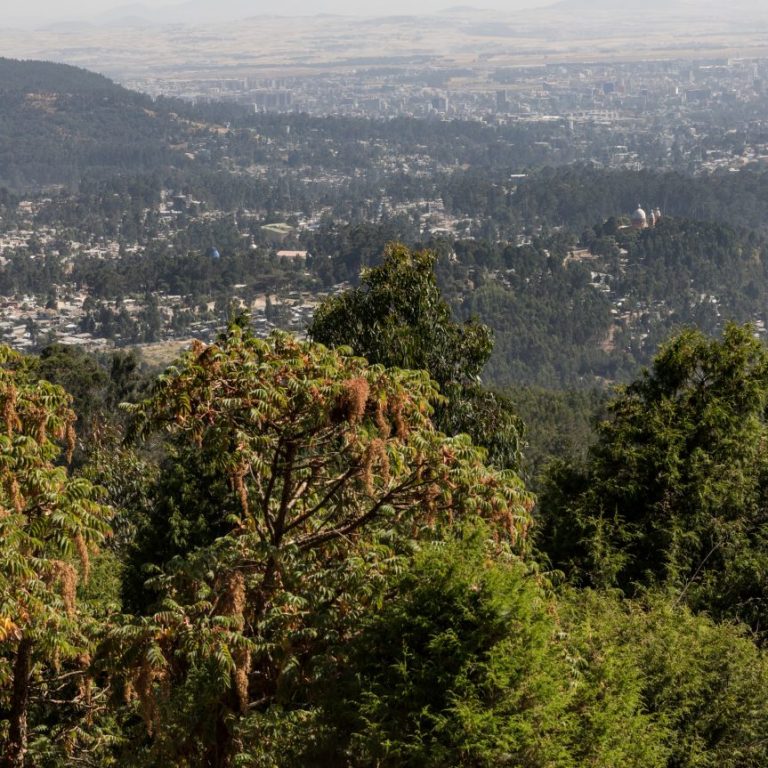
Ethiopia’s national parks protect very different landscapes. Simien and Bale are highland parks, Awash is dry Rift Valley country, and the southwestern parks include forest, grassland and river habitats. This guide covers six parks and what you can plan to see in each.
Choose a park by its habitat · Plan around habitat and access
Highland trekking and wildlife
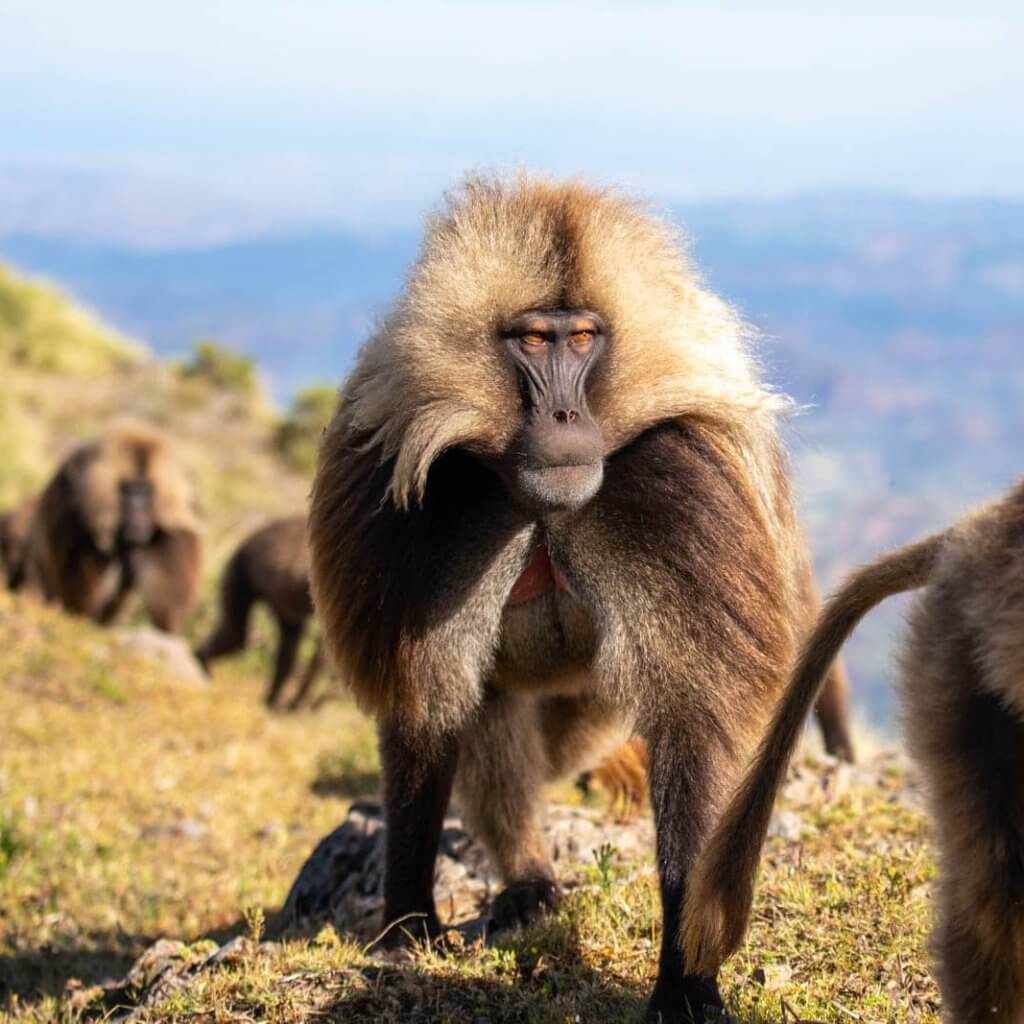
Simien National Park. The escarpment north of Gondar is known for cliff views, geladas and Walia ibex. The Simien Mountains guide covers routes from Debark. See UNESCO’s park entry for its conservation significance.
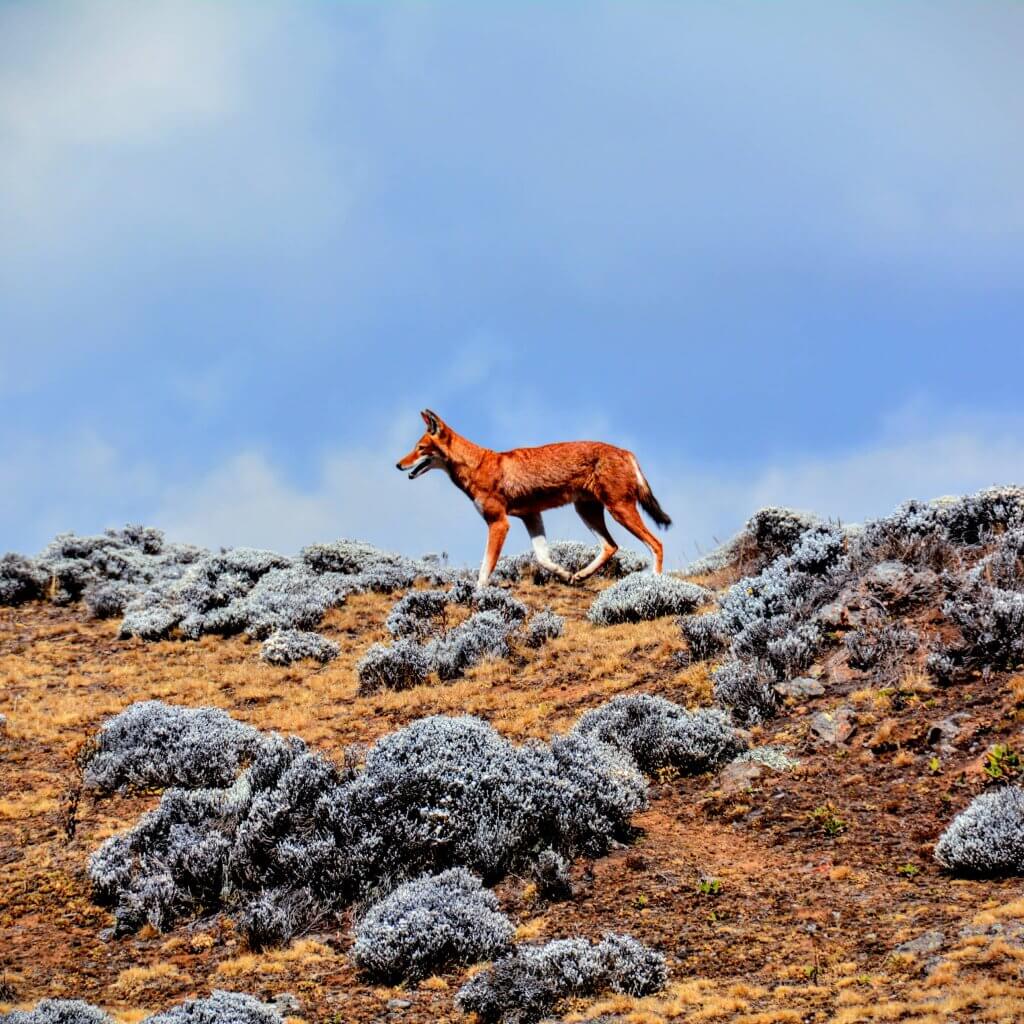
Bale Mountains National Park. The Bale Mountains run from Dinsho’s grasslands through the Sanetti Plateau to Harenna Forest. The park protects Ethiopian wolf habitat and is the country’s other natural World Heritage site.
Rift Valley and southwestern parks

Awash National Park. Plan around the river, falls and dry plains. Our Awash guide covers the different habitats and the Fentale volcanic area.

Omo National Park. The park takes its name from the Omo River and protects lowland habitats in southwestern Ethiopia. The archaeological World Heritage property called Lower Valley of the Omo is a separate designation. Our UNESCO guide explains what it covers.
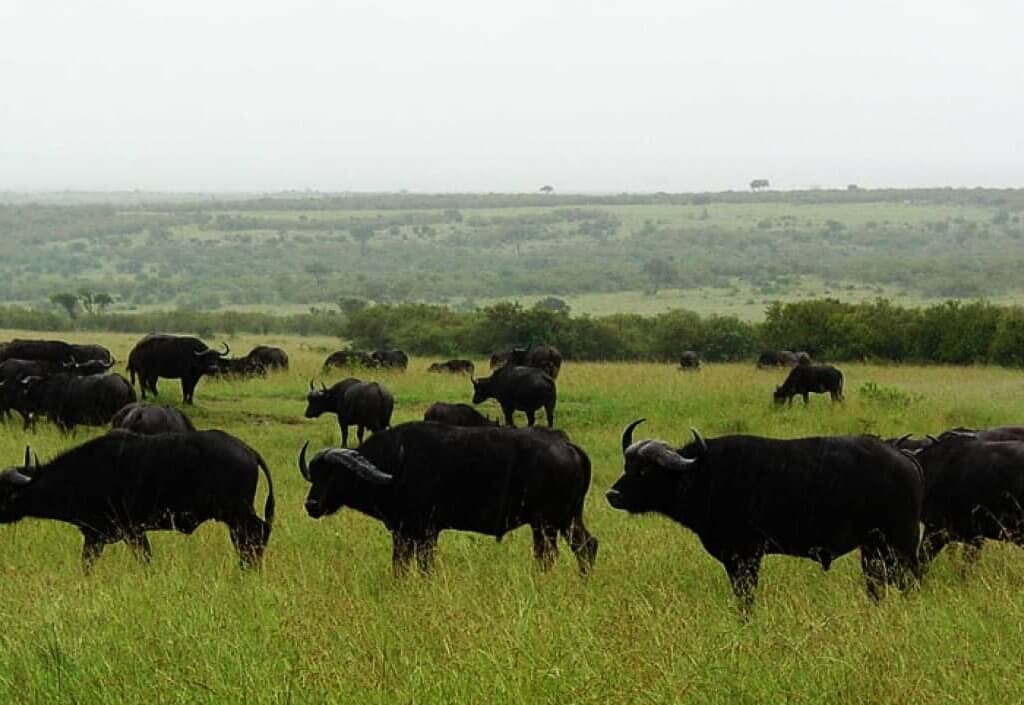
Mago National Park. The Ethiopian Wildlife Conservation Authority’s Mago page describes the park and its wildlife. Discuss current access and travel arrangements with a local operator before planning a visit to the lower Omo region.
Chebera Churchura National Park. In southwestern Ethiopia, Chebera Churchura protects elephants across forest, grassland and river habitats. Access and sightings can vary with season and route.
Choose a park by its habitat
For escarpments and high grasslands, compare Simien and Bale. Bale adds a long descent to forest. At Awash, river habitat gives way to dry plains. Gambella has rivers and seasonally flooded grasslands. Wildlife there ranges across a different kind of landscape. In the southwestern parks, use the map to see whether your proposed route reaches forest, riverbank or grassland. Those habitats can sit far apart. Ethiopian Biodiversity Institute protected-area profiles.
Plan around habitat and access
Ask which part of the park a route reaches and what habitats it crosses. Water levels can affect roads across low ground. Review current regional advice before confirming guiding and transport. Ask what you would still see if rain or a road closure shortened the outing. Seasonal water and Gambella’s wildlife. Current travel advice by region.
How to choose a park
Start with the landscape you want to spend time in, then check the park’s current access, vehicle requirements and guide arrangements. Highland treks and lowland wildlife drives need different preparation. Confirm the route with the park or a local operator before booking transport or accommodation.