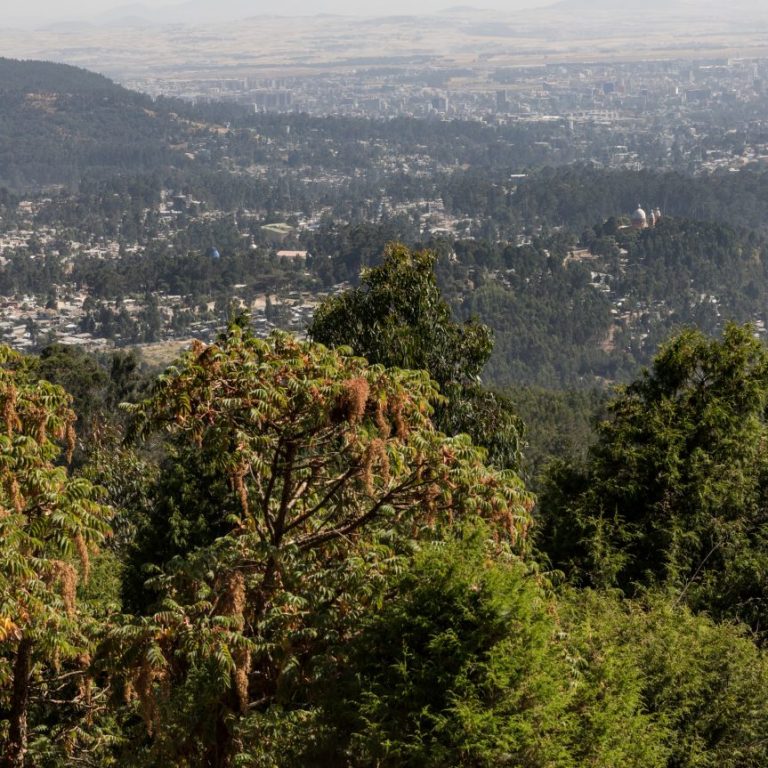
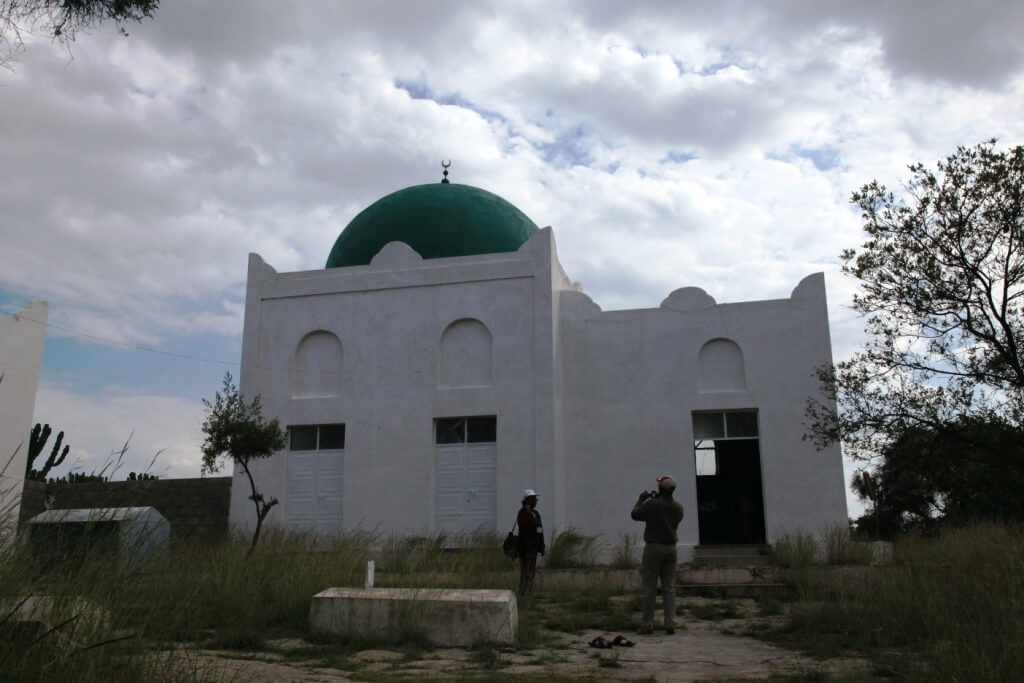
The Al Nejashi Mosque is in Negash, in Ethiopia’s Tigray region. It is a place of worship and pilgrimage associated with the First Hijra, the early migration in which Muslim refugees from Mecca received protection from the ruler of Aksum. The village keeps that story alive through a mosque, tombs and religious visits.
The mosque and the story it commemorates · What the 2026 Tentative List entry records
Who was al-Najashi?
Al-Najashi is the Arabic form of the royal title Negus. In the traditional account of the First Hijra, a Christian ruler granted refuge to the early Muslims and refused to send them back to Mecca. That act is central to the site’s religious significance. A Cambridge history of Aksum places the account in the context of the Red Sea kingdom.

What survives at Negash
The mosque has been rebuilt over time. Ethiopia’s UNESCO Tentative List submission for Negash distinguishes the historic association and continued religious use of the place from the age of the current buildings. It also describes the tombs traditionally linked to people in the account.
The mosque and the story it commemorates
Negash is a place where people remember the protection traditionally offered to early Muslims by an Aksumite ruler. The mosque’s present fabric and the date of the First Hijra are separate questions. The site has continued to be used and rebuilt. Inscriptions, burials and architectural layers each need their own date before they can be linked to a particular historical episode. The timeline of the First Hijra. Preliminary archaeological and ethnographic fieldwork at Negash.
What the 2026 Tentative List entry records
Ethiopia submitted Negash to its Tentative List in January 2026. The description covers the village, mosque and cemetery and explains the significance Ethiopia assigns to them. This is a preliminary step in the World Heritage process. It is a separate question from when particular graves or buildings were made. How the UNESCO designations differ. Ethiopia’s Negash submission.
Visiting a place of worship
Ask locally about access, prayer times and photography before visiting. The site’s tentative listing records Ethiopia’s interest in putting it forward for World Heritage consideration. Our guide to Ethiopia’s inscribed World Heritage properties explains that separate list.