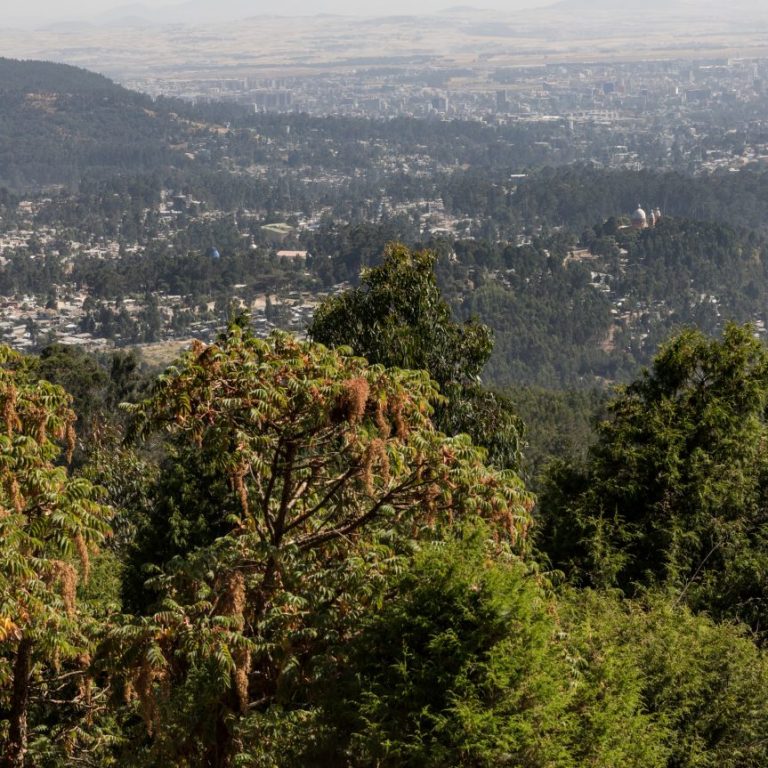
Ethiopia’s places to visit are spread across several regions with different travel conditions. Pick the trip you can actually make from your arrival city, with time for delays and for the stops you care about. Check the route as well as the destination before you pay for hotels, flights or a vehicle. Some of the places described below may be subject to official advice against travel.
Choose a route by what you want to learn · Check each leg before you book
Start in Addis Ababa or stay close to the capital
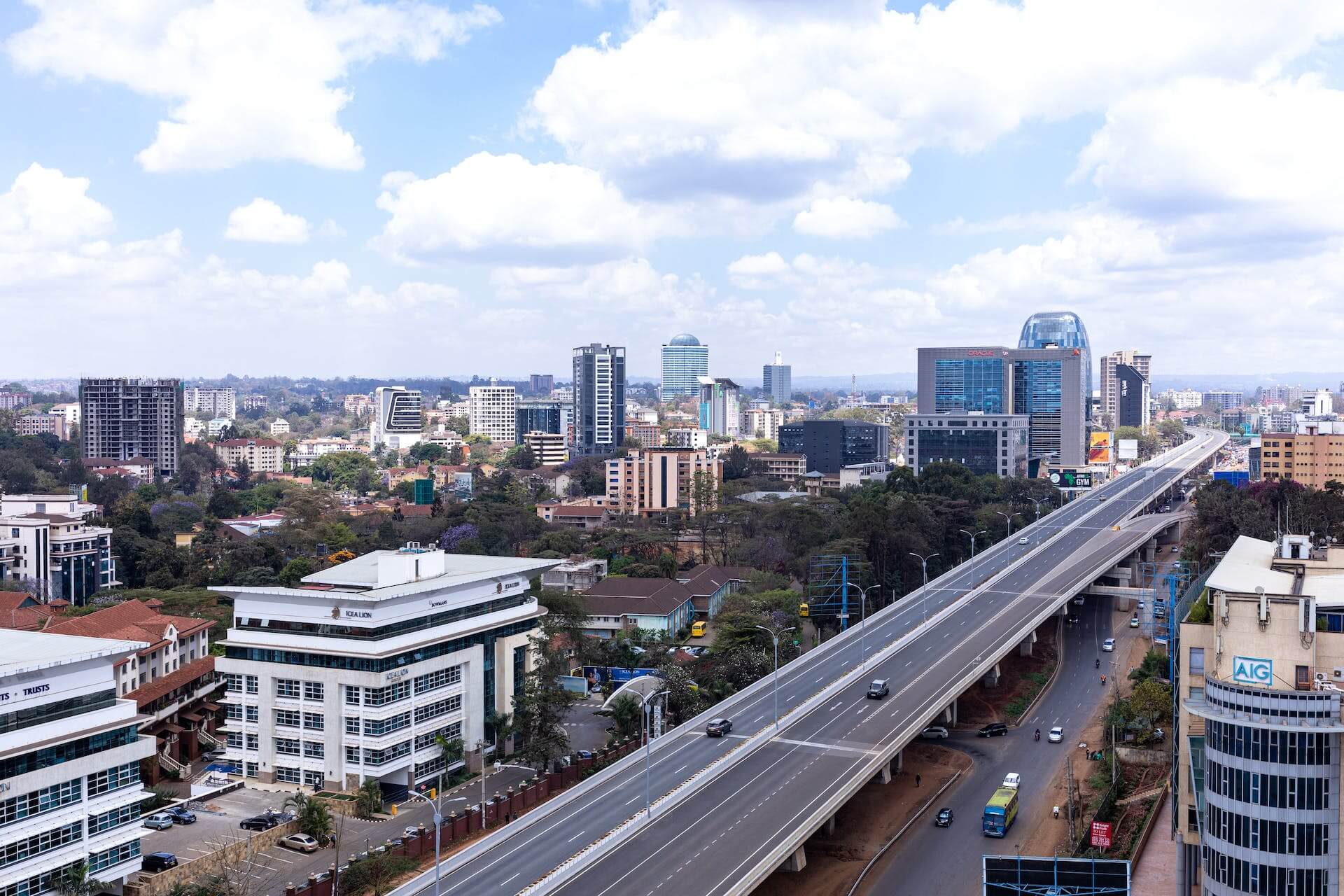
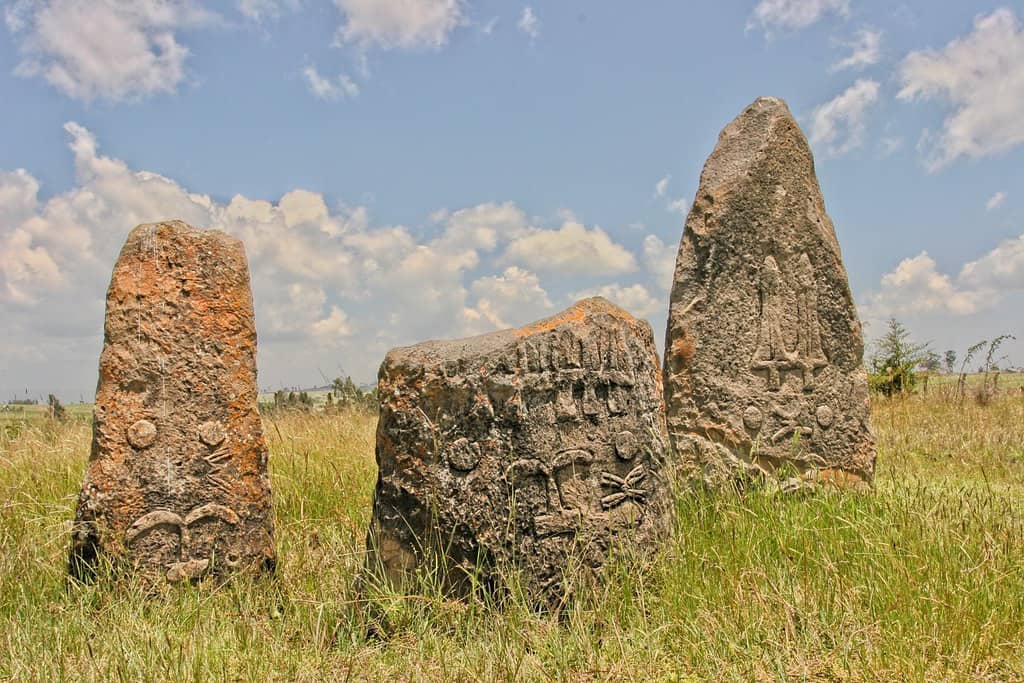
The Addis Ababa travel guide covers museums, markets and getting around. If the capital is your base, consider a museum day, Entoto or a nearby day trip. South of the capital, Tiya preserves carved stone monuments. Give an archaeological visit enough time to see the inscriptions and read the site’s interpretation.
If your interest is the deeper human history of the highlands, the Melka Kunture and Balchit sites tell a different story from Tiya. They preserve evidence of stone-tool production and the environments in which early people lived. Look up access arrangements for the sites separately from opening hours at the National Museum.
Northern heritage: Lalibela, Aksum and Gondar
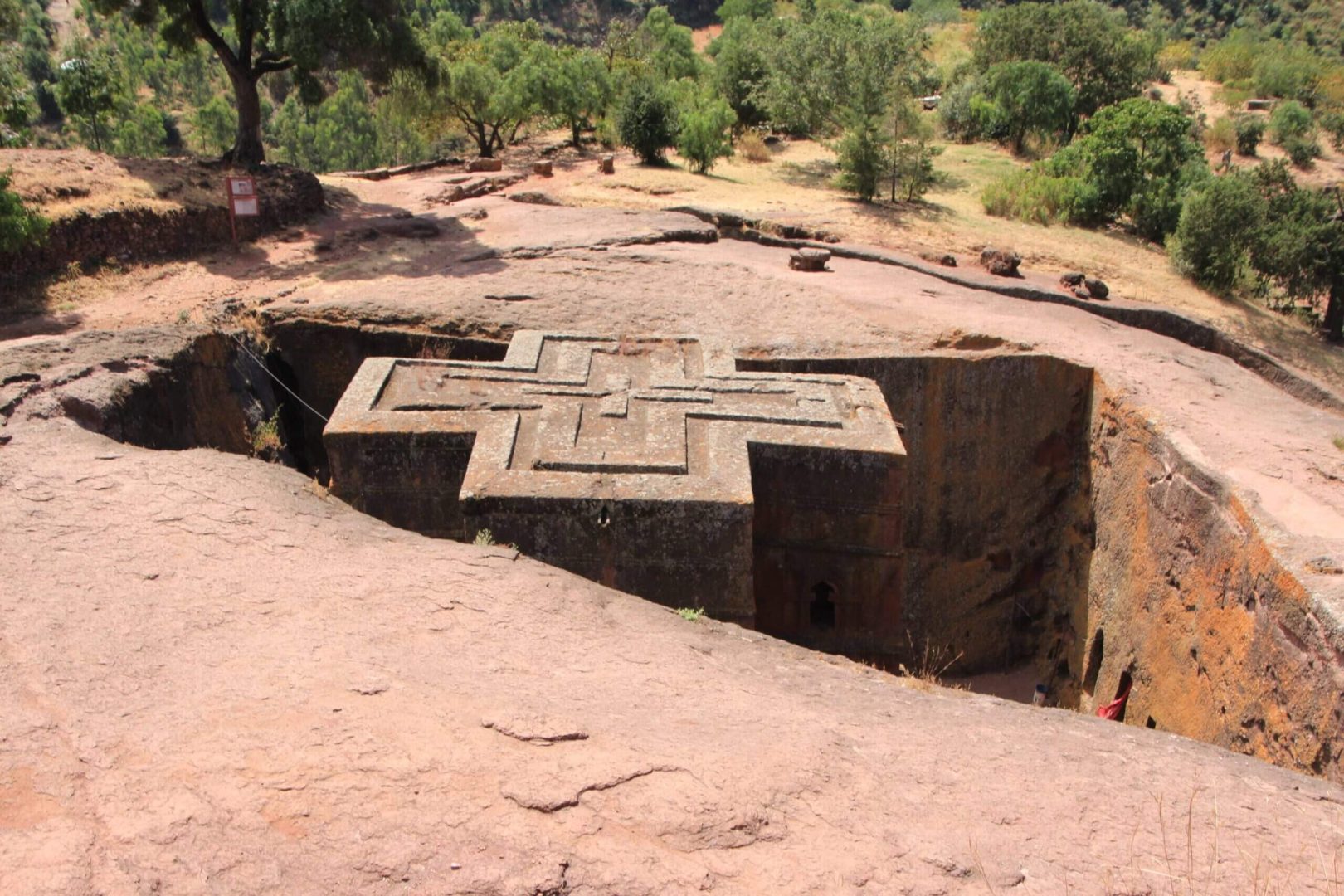
Lalibela’s churches are cut into rock and remain places of worship. Our Lalibela guide explains the church groups and customs. Aksum’s stelae and royal sites tell a different story about the Aksumite kingdom. Gondar’s royal enclosure preserves a later period of Ethiopian court architecture.
For Lalibela, one visit can focus on the northern and southern groups and a separate walk to Biete Giyorgis. For Aksum, the stelae field is a starting point. Allow time for an explanation of what the monuments marked and how later religious traditions relate to the city. In Gondar, read the buildings in the enclosure as a group built by successive rulers. UNESCO’s Fasil Ghebbi listing gives the historic scope of the site.

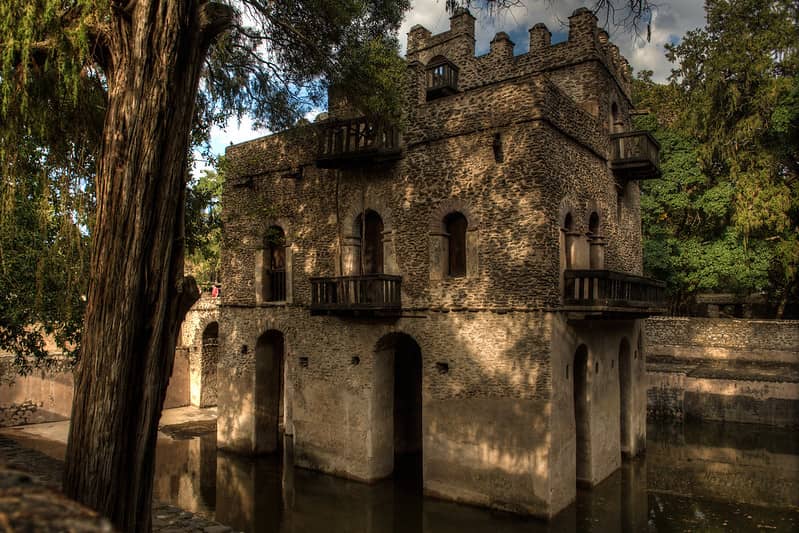
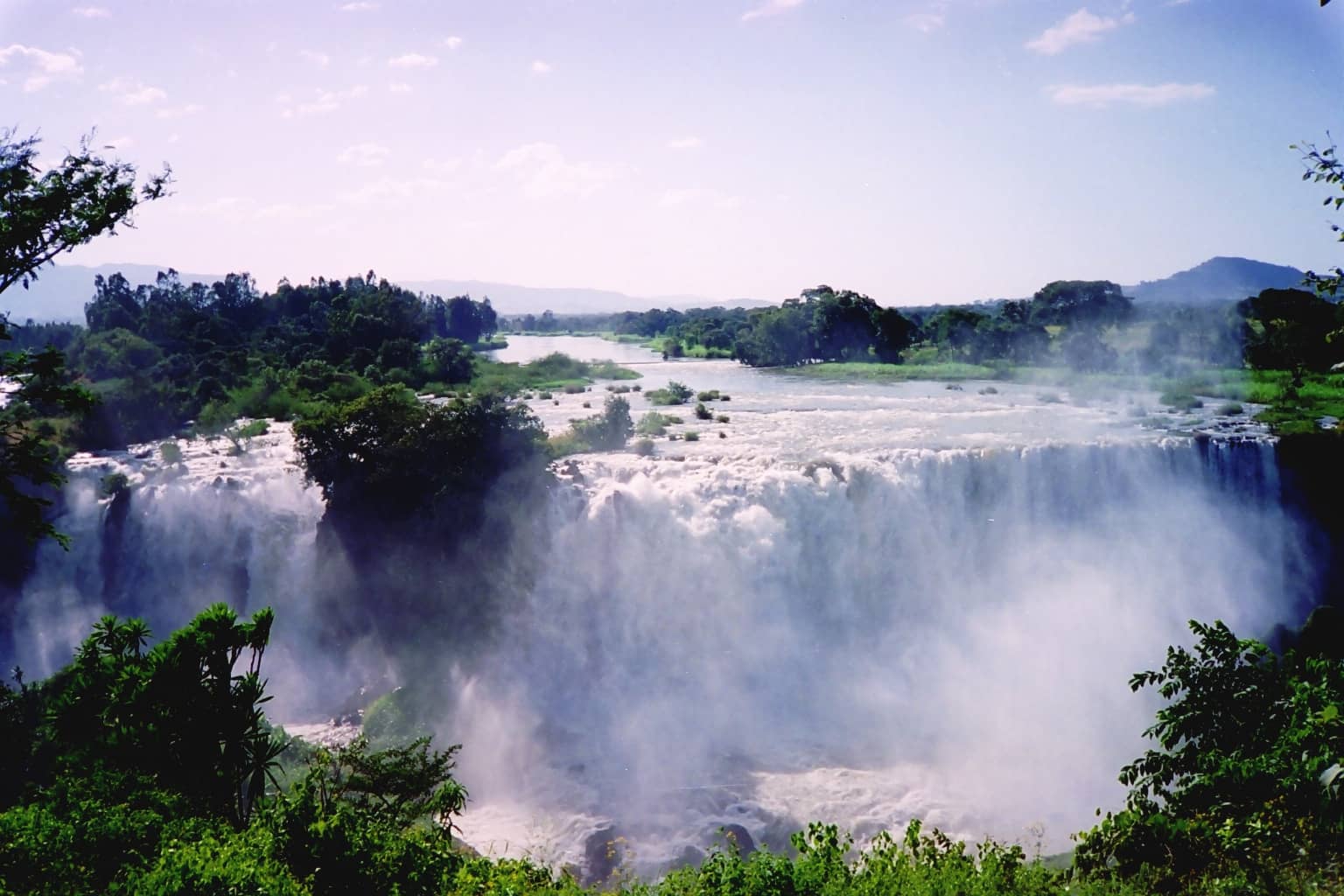
If you are comparing a historic itinerary, see UNESCO’s Ethiopia listings and check the latest regional advisory. Bahir Dar is a gateway to Lake Tana and nearby monasteries. The Bahir Dar guide explains how Lake Tana and the Blue Nile Falls fit into a visit.
Lake Tana is a different outing from the falls. A monastery visit depends on which community and landing you choose, while conditions at the falls depend partly on water flow. Ask what visitors can see on the date you plan to go, what the boat or road trip includes and when the return is expected.
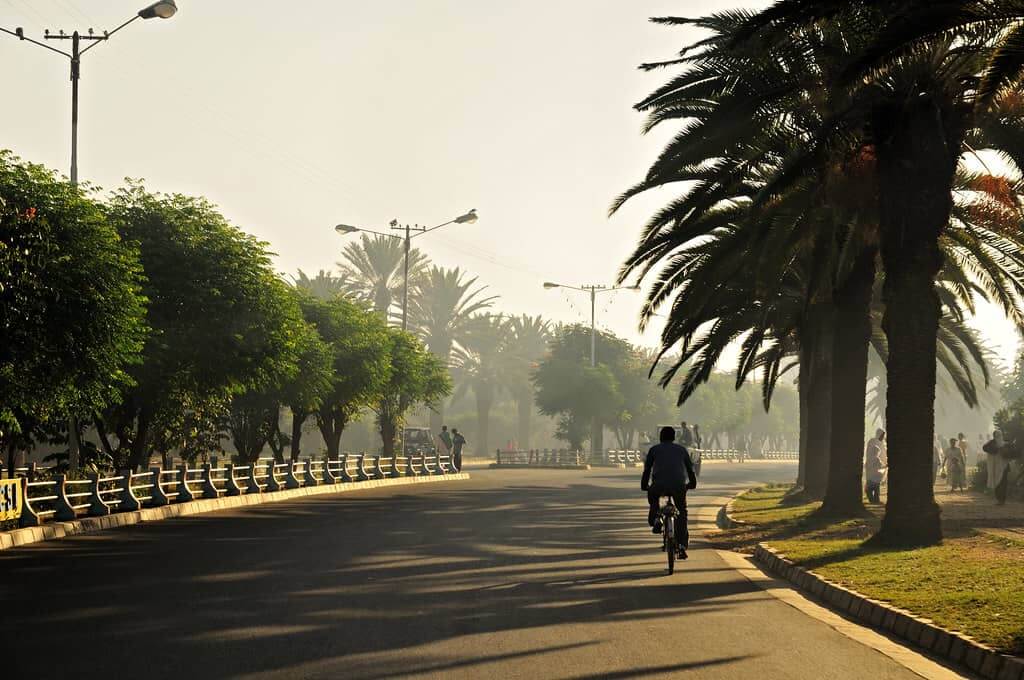
Eastern cities: Harar and Dire Dawa
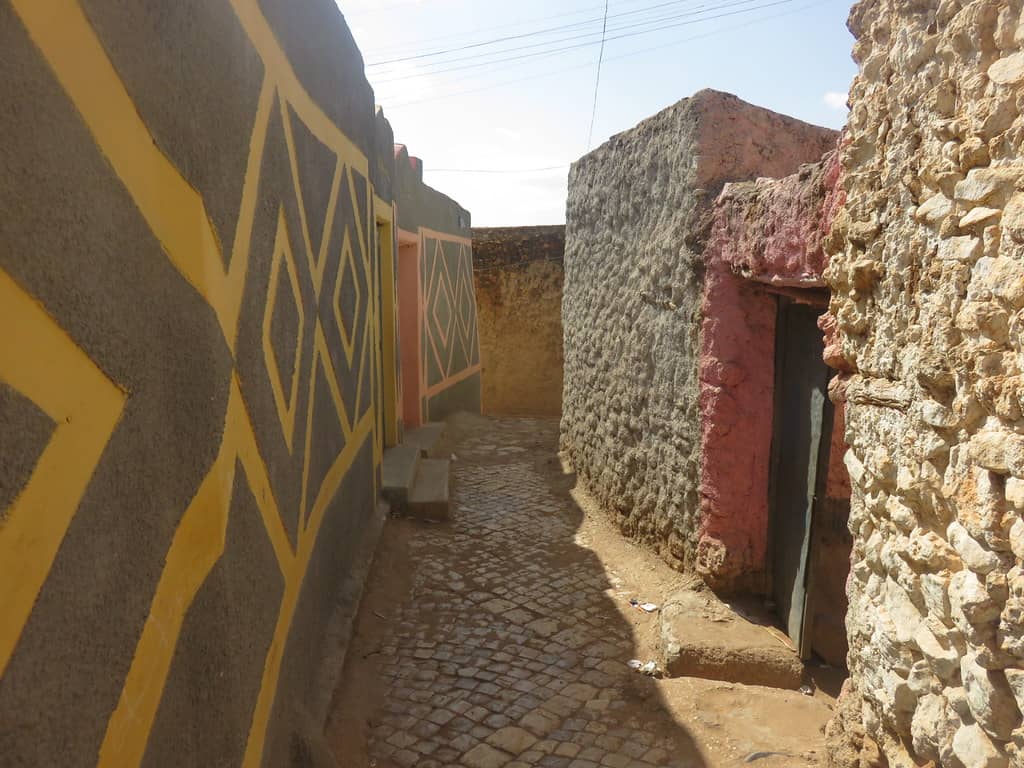
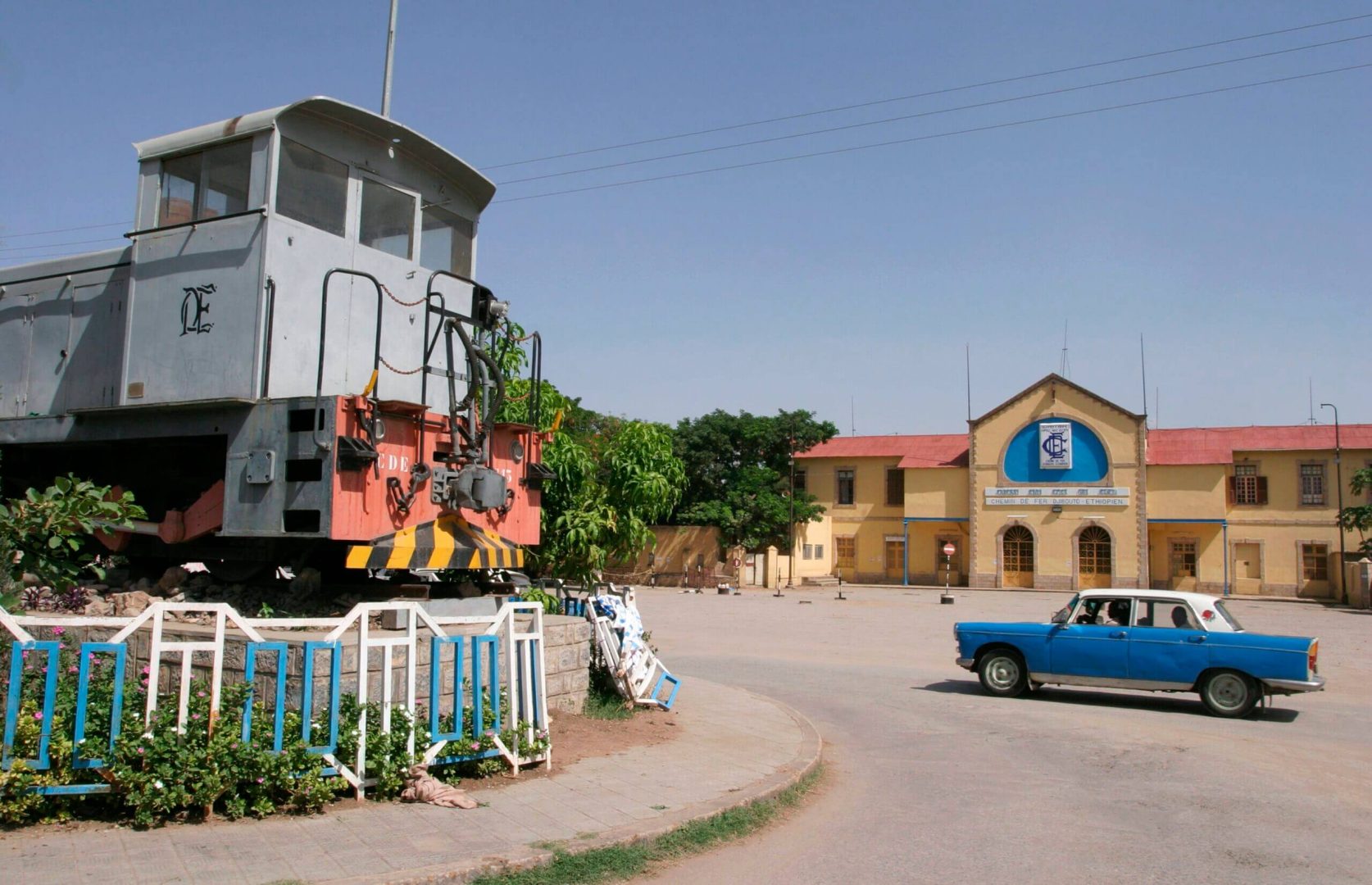
Inside Harar Jugol, narrow streets connect gates, houses and markets. Start with the Harari culture guide for background. Nearby Dire Dawa offers a different urban history tied to the railway. Check the specific road or rail service you plan to use and the opening hours of the places you want to see.
A day inside Harar’s walls could start at a historic gate and continue to a house museum, a market and a shrine or mosque area where visitors are welcome. Check what you can enter. In Dire Dawa, leave time to learn why the rail line led to the growth of a different kind of city, and ask locally which historic buildings can be visited.
Highland parks and desert landscapes
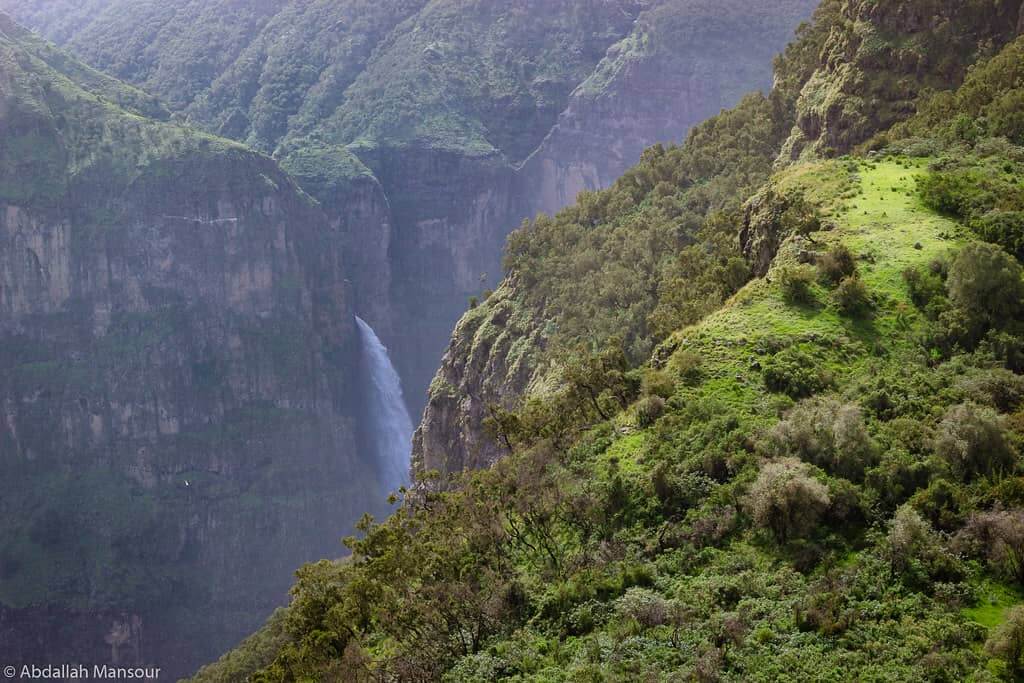
Simien National Park and Bale Mountains National Park are separate highland trips. Ask about access, park arrangements, weather and the altitude of your route. Our Bale Mountains guide covers habitats from the plateau to the forest. In Afar, Erta Ale is an active volcano, and conditions on the ground can change. Check both volcanic updates and official travel advice.
Simien is known for steep escarpments and high grasslands. Bale spans high plateau and lower forest, so a route that reaches both gives a different experience from a single viewpoint. Plan walking days with enough time for changes in weather. For Danakil, check whether the regional advice and insurance cover the whole itinerary. Heat, access and medical support make local planning essential.

Southern lakes and the Lower Omo
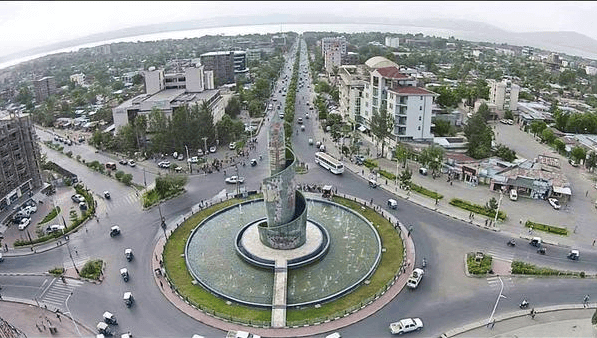
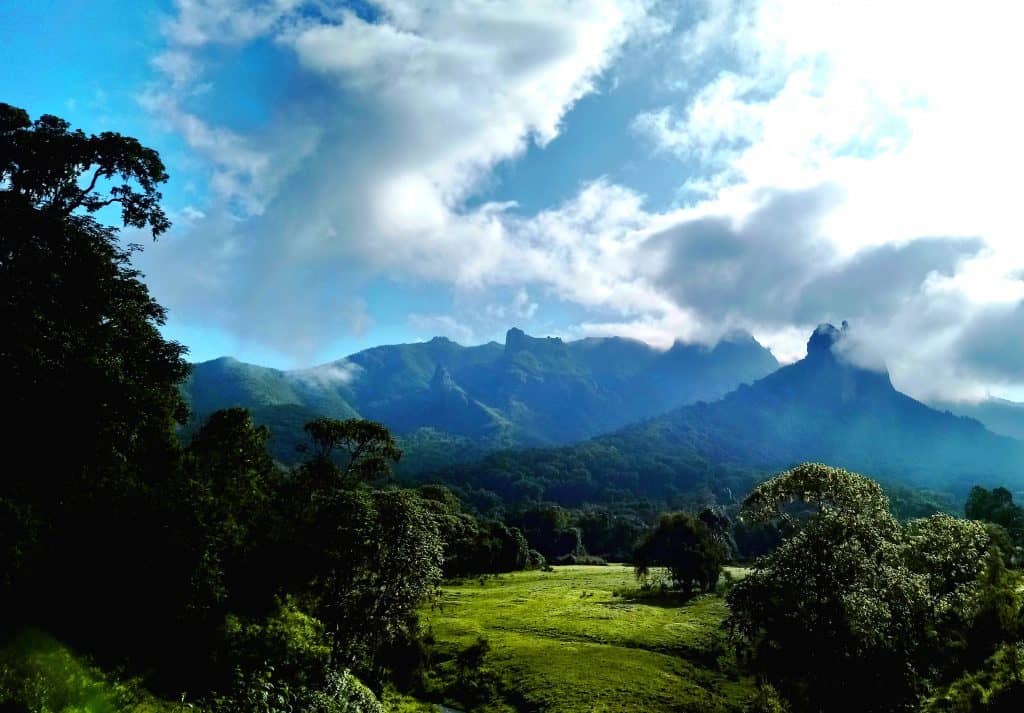
Hawassa and Arba Minch are separate bases. If you want to visit the lakes around Arba Minch, choose accommodation based on your transport and departure points. Our Arba Minch accommodation guide compares options. For the Lower Omo, allow time for roads and local arrangements. Ask before taking photographs and choose visits that communities have agreed to host.
The central Rift Valley lakes can be considered as a separate route if current advice permits it. At Hawassa, begin with the lakefront and decide whether you want time in town or a longer trip. Around Arba Minch and Nech Sar, check access to Lake Chamo and the park separately. Jinka is a different base. The Ministry of Tourism’s Lower Omo guide explains where it fits in the south.

Choose a route by what you want to learn
For early human history, begin with the National Museum in Addis Ababa and then decide whether an archaeological site fits the trip. The museum helps explain what an object is. At a site such as Melka Kunture, its position in the sediment helps explain when and where it was used. For medieval architecture, focus on one built landscape. The church groups at Lalibela and the royal compound at Gondar need different kinds of time on the ground. UNESCO’s Ethiopia listing identifies the properties.
Check each leg before you book
Write down the town where you will sleep, each road or airport you would use, and the location of the site itself. Read the regional advice for every leg before reserving. If any leg is under advice against travel, choose a different route. As of November 12, 2026, the UK advisory warns against all travel to Tigray and Amhara. Where travel is permitted, verify opening times and the return journey directly. Then use the season guide to decide how much time to allow. Current UK regional advisory.
Make the itinerary fit the trip
With a short stay in Addis, choose a day in the city and one nearby outing that is suitable for the conditions at the time. For a longer visit, choose one region and allow time between destinations rather than combining a northern circuit, the Bale highlands and the Lower Omo in the same short trip. A day held in reserve gives you room for transport changes and closures.
Decide when and how to go
Read the current U.S. Ethiopia travel advisory or your own government’s equivalent alongside regional and local updates. Check where it advises against travel and whether your insurer covers the route. Confirm road or flight access, opening hours and return transport before committing. Our seasonal guide explains how rain and elevation can change a trip.