Ethiopia’s history is visible in fossils, stone inscriptions, old trade routes and practices still used today. These ten facts are starting points. Each points to a fuller account or to the evidence behind it.
What counts as evidence for these facts? · Three dates that are easy to mix up
1. Lucy was found at Hadar

The skeleton known as Lucy or Dinkinesh was found in 1974. Her bones are about 3.18 million years old and show evidence of upright walking. The Smithsonian’s specimen record identifies her as Australopithecus afarensis.
2. Aksum had its own coinage

The Kingdom of Aksum minted coins in gold, silver and copper. They preserve rulers’ names and religious symbols and help historians reconstruct Aksum’s trade and chronology.
3. The Solomonic claim was preserved in an epic
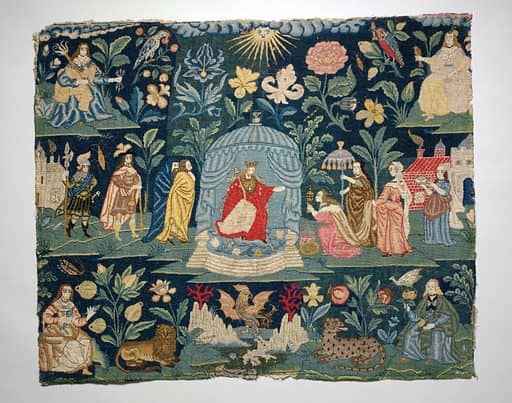
The Kebra Nagast tells of Makeda, the Queen of Sheba, and Solomon. Later Ethiopian rulers used the story to explain their royal lineage. A version of the story appears in the Library of Congress’s World Treasures exhibition.
4. Coins record Aksum’s adoption of Christianity

Later coins of King Ezana carry a cross. Inscriptions from the fourth century and records about Frumentius provide other evidence of Christianity at the Aksumite court.
5. The First Hijra is associated with Aksum
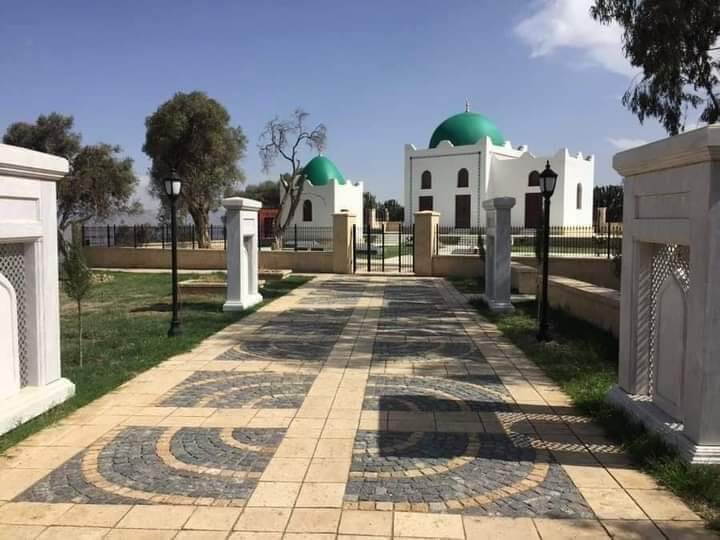
Islamic tradition records that early Muslims fleeing persecution in Mecca found refuge with the ruler of Aksum. The First Hijra is remembered as an early connection between Ethiopia and Islam.
6. Adwa changed Ethiopia’s relations with Italy
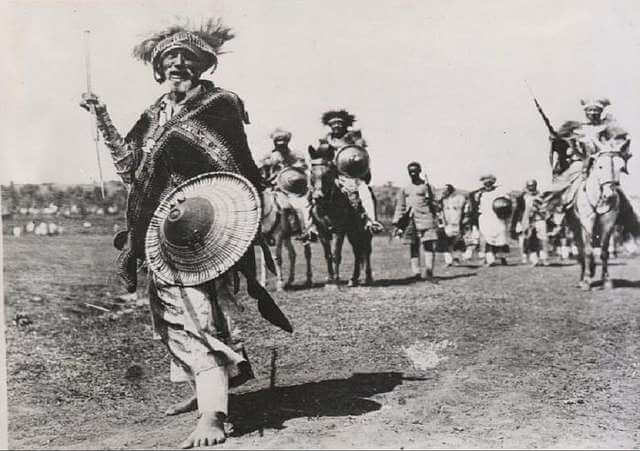
Ethiopian forces defeated Italy at the Battle of Adwa in 1896. Italy recognized Ethiopian independence in the treaty that followed. Four decades later a separate invasion led to the Italian occupation.
7. Fidel marks consonants and vowel orders
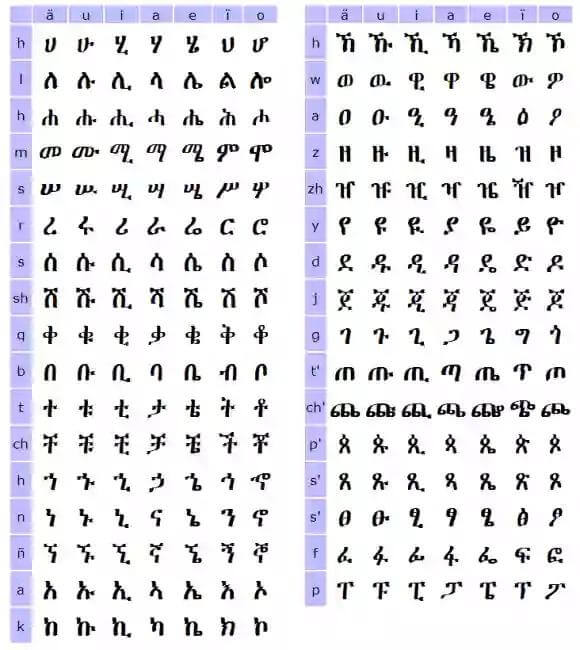
In the Ethiopic script, a series of related signs can represent one consonant with different vowel orders. The script was developed for Geʽez and is used today for Amharic, Tigrinya and other languages.
8. Haile Selassie visited Jamaica in 1966

The visit mattered to Rastafari communities in Jamaica, for whom Ethiopia holds spiritual significance. April 21, the date of his arrival, is commemorated as Groundation Day.
9. Wild Arabica grows in Ethiopian forests

Kew’s botanical record identifies southern Ethiopia and South Sudan as part of wild Arabica’s native range. The plant’s origins and the history of making coffee as a drink are separate questions.
10. The Ethiopian calendar has a short thirteenth month
Twelve Ethiopian months have 30 days each. The last month, Pagume, has five days in a common year and six in a leap year. The next day is Ethiopian New Year.
What counts as evidence for these facts?
A skeleton, a coin and an epic answer different questions. Lucy’s pelvis and thigh show how her body bore weight. A cross on a coin records what a ruler’s mint chose to display. The Kebra Nagast shows how later kings explained their authority. Follow the object or text behind each claim to see where the evidence is strongest. Lucy’s anatomy · Ezana’s coins · Reading the Kebra Nagast. Smithsonian fossil catalogue.
Three dates that are easy to mix up
The Battle of Adwa took place on March 1, 1896. The peace agreement followed in October. Haile Selassie’s Jamaica visit began April 21, 1966, decades after his coronation. For the Ethiopian New Year, start with 1 Meskerem and convert the full date for the year you are checking. The peace after Adwa · The Jamaica visit · Months of the Ethiopian calendar.